
















.webp)


What are Backyard Pavers?
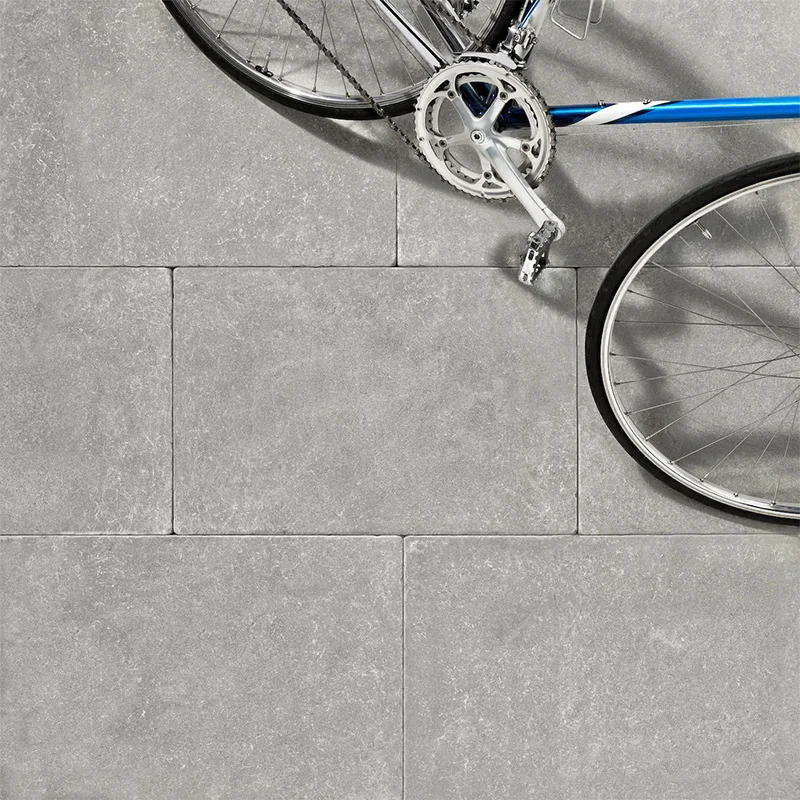
Backyard pavers are natural stone units cut to a consistent gauge and dimension for installation on a prepared sub-base or concrete substrate at ground level. Unlike tiles, which are cut to a thinner gauge for indoor flooring, backyard pavers are cut at 20 mm or 30 mm, a thickness suited to exterior ground-level surfaces that carry regular foot traffic, furniture load and weather exposure.
Stone Depot stocks backyard pavers across multiple natural stone materials such as travertine, limestone, granite, sandstone and more. Each material carries its own geological character, surface texture and physical properties and each produces a distinct backyard paving surface.
Backyard Pavers Range & How We Source It
Stone Depot has been supplying backyard pavers to Australian residential, trade and commercial projects since 1984. We carry pavers for backyard projects across our Sydney, Brisbane and Melbourne warehouses, stocked and ready for collection or delivery.
Our backyard pavers range is ethically sourced across our supply chain, allowing you to choose natural stone paving for your backyard that is both durable and a responsible long-term choice.
Backyard Paver Formats
Stone Depot's backyard pavers are available across a range of formats suited to different backyard paving layouts and project scales.
| Format | What It Is |
| Pavers | Cut to consistent dimensions and available in multiple sizes. Thickness for backyard ground-level paving is 20 mm or 30 mm. |
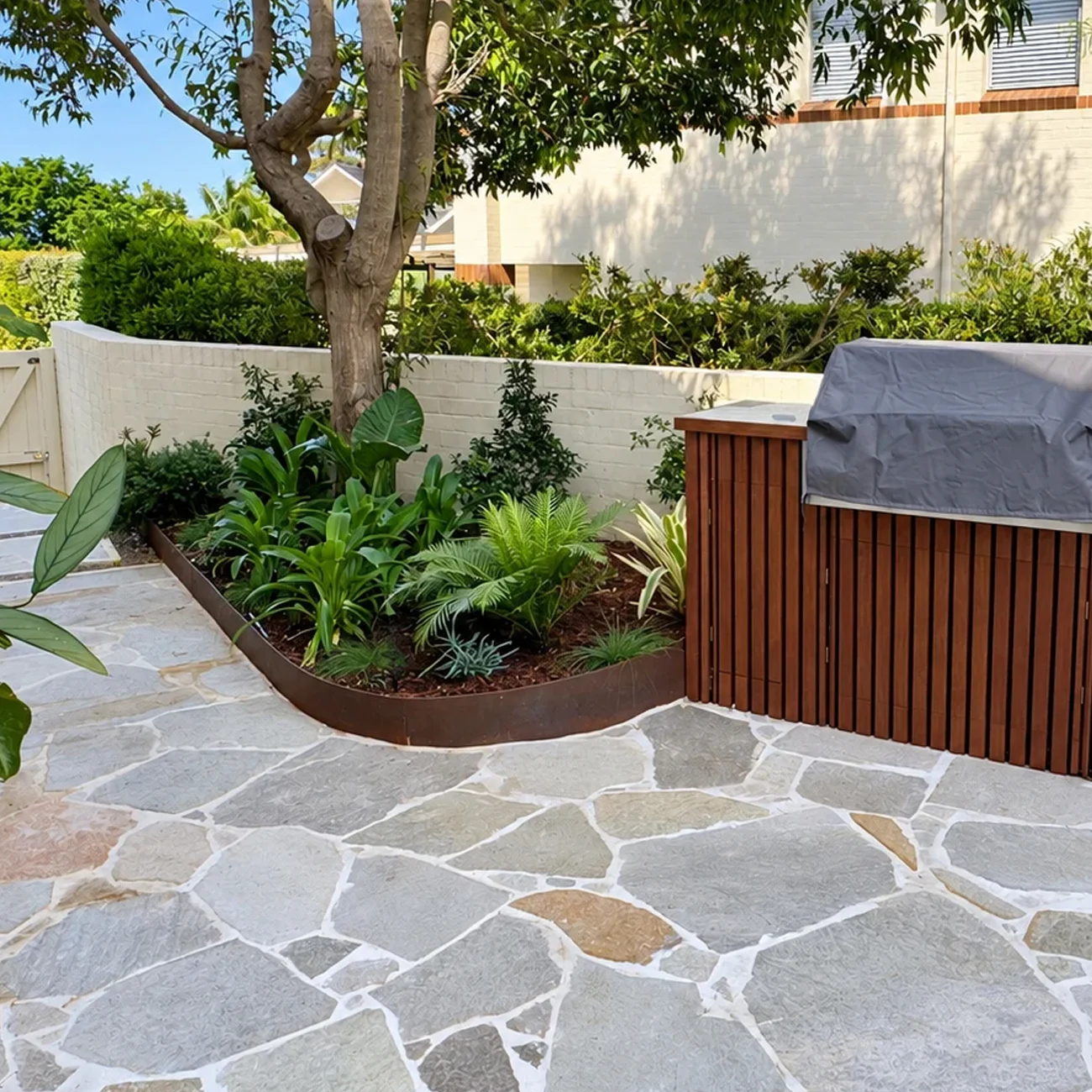
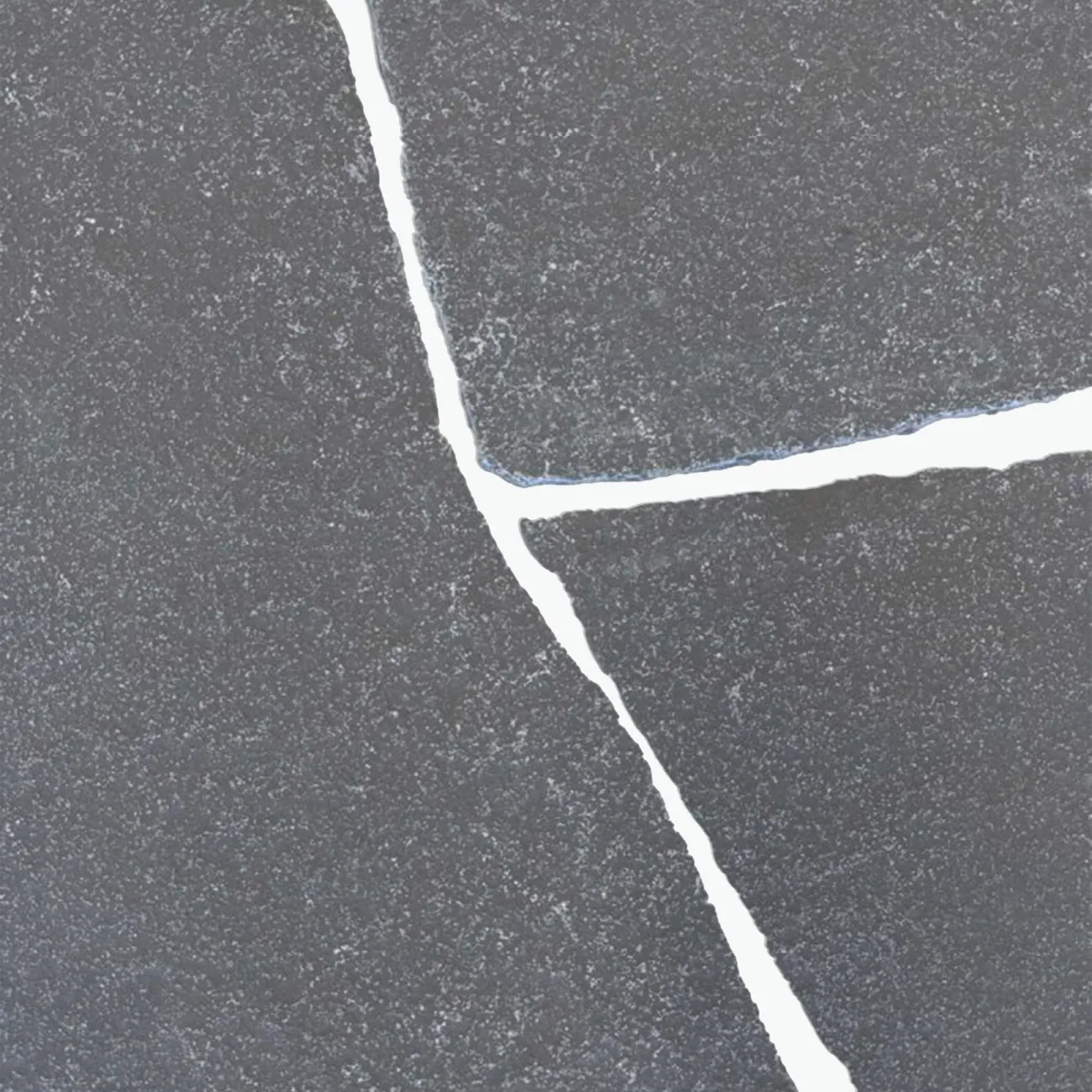
| Crazy Pavers | Irregular-shaped natural stone pieces laid with mortared joints. Non-repeating surface so no two areas look identical. |
| French Pattern | Six pieces across four dimensions arranged in a modular, interlocking sequence. Produces a flowing, non-repeating joint line. |
| Copings | Natural stone pieces cut with a shaped edge profile, supplied alongside pavers and tiles for perimeter and border applications. |
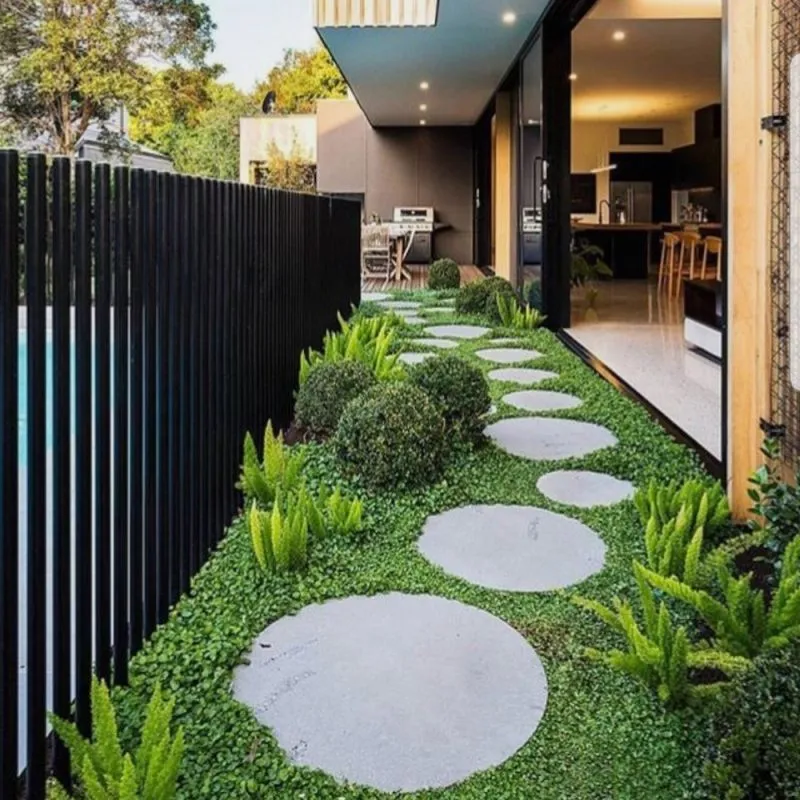
| Flagstones | Large, irregular natural stone slabs laid individually as stepping stones or set with wide mortar joints across garden surfaces. |
Natural Stone Types for Backyard Paving
Stone Depot's backyard paving range covers multiple natural stone materials, each with distinct geological character and physical properties.
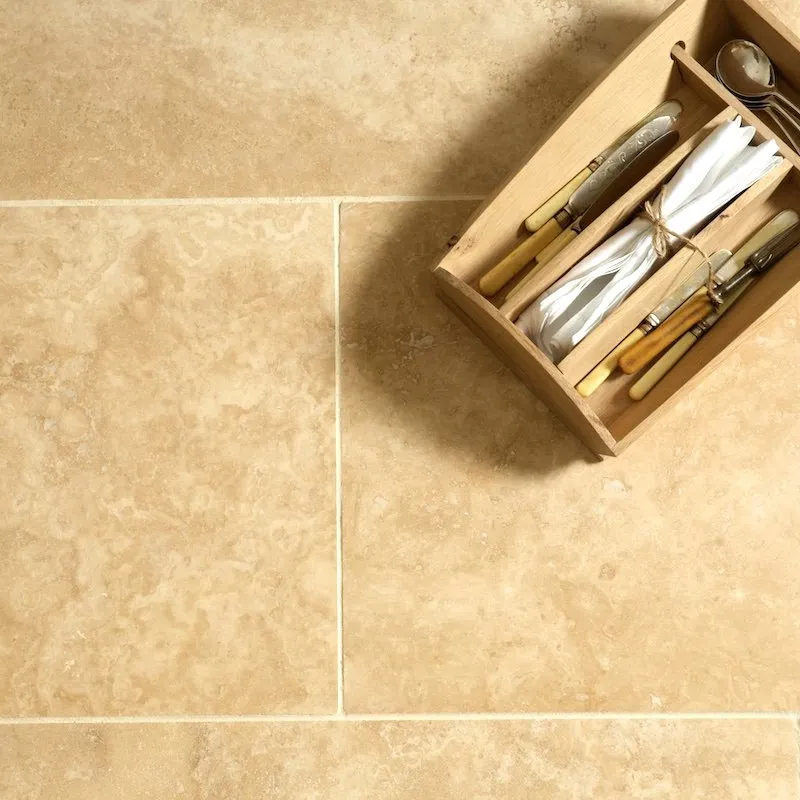
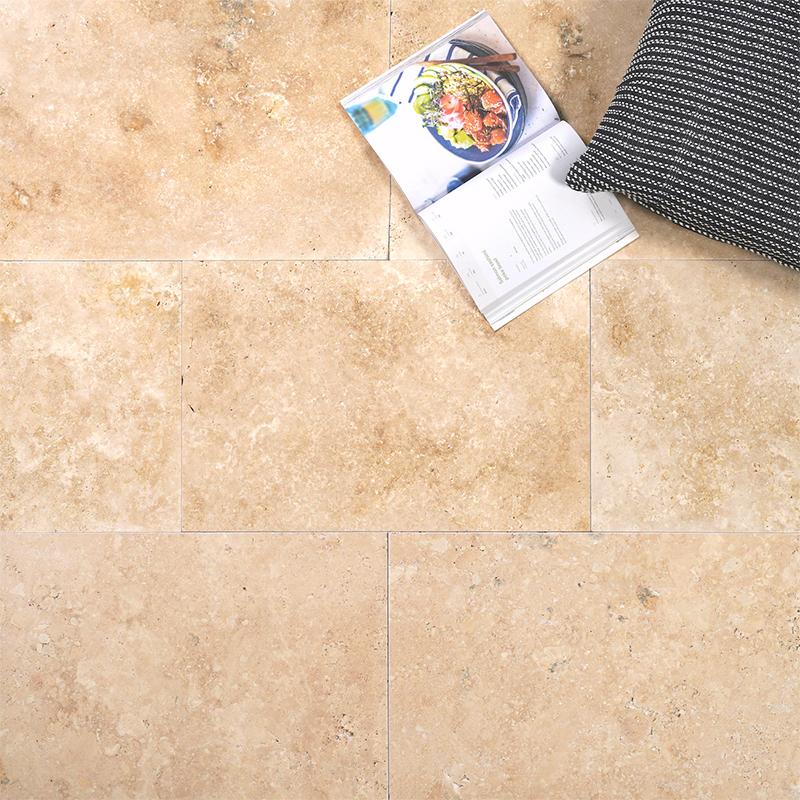
- Travertine is a sedimentary stone with a naturally pitted surface and variation between individual pieces.
- Limestone is a fine-grained sedimentary stone valued for its consistent surface character and moderate density.
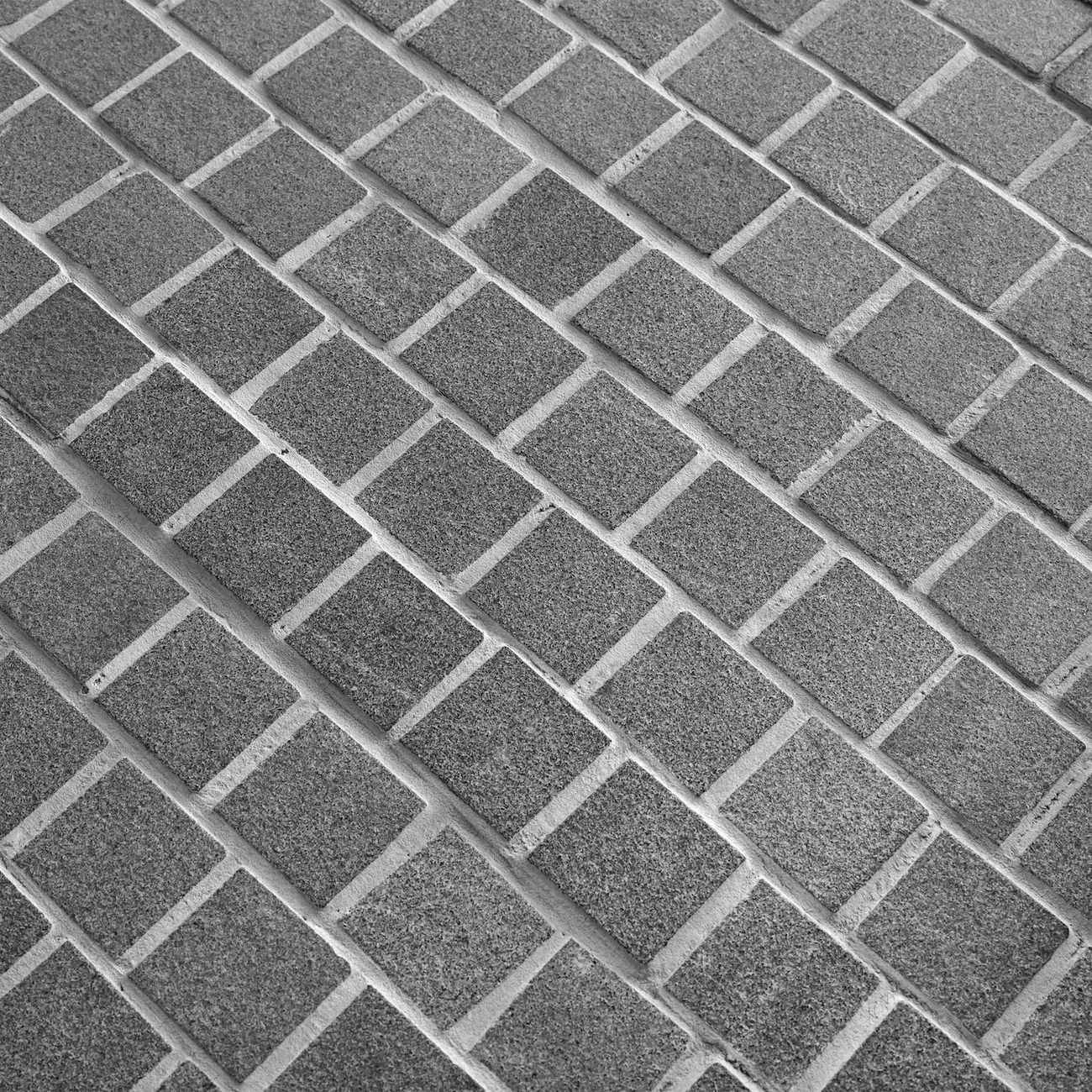
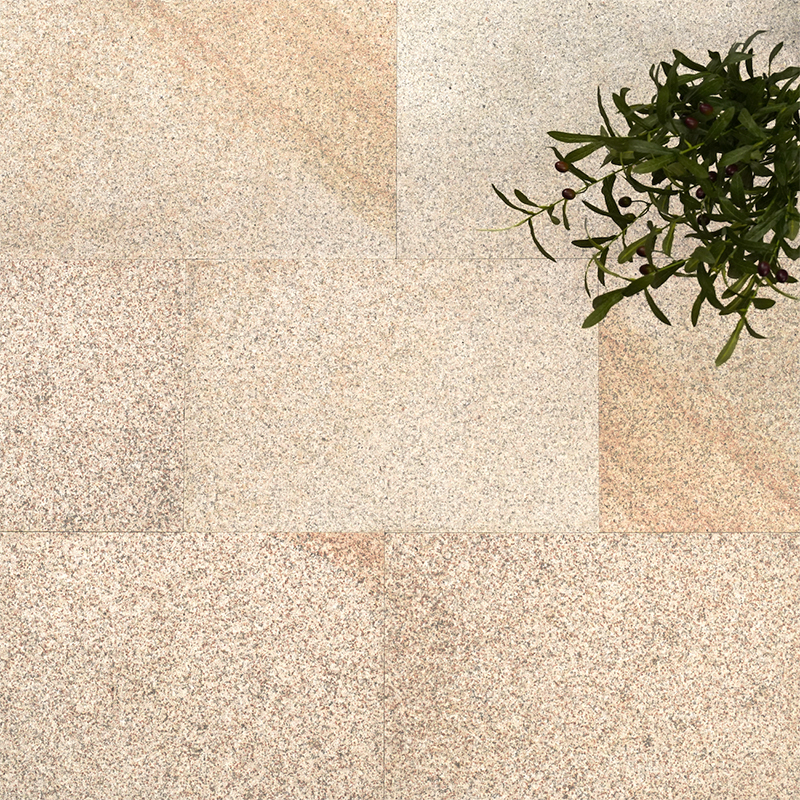
- Granite is a dense igneous stone with low porosity and strong resistance to surface wear.
- Sandstone carries a layered, grained surface with natural variation from piece to piece.
- Bluestone is a dense igneous stone with a consistent, fine-grained surface and very low porosity.
- Marble is a metamorphic stone marked by distinctive veining, with no two pieces carrying the same pattern.
What Finishes are Available in Backyard Pavers?
Surface finish affects how a backyard paver reads tonally and how the surface performs under the conditions of the specific installation.
| Format | What It Means |
| Honed | Smooth and flat with a matte surface. The stone's natural character is visible, but the surface is even to the touch. |
| Exfoliated / Flamed | High heat causes the stone face to burst open, producing a rough, heavily textured surface. Available on granite and bluestone. |
| Tumbled | Mechanically worn to soften edges and surfaces, giving the paver a naturally aged, worn character. |
| Natural Split | The stone is cleaved along its natural bedding plane. The face is irregular and textured so every piece is different. |
| Antique | A surface treatment that gives the stone an aged, worn appearance with more character than a standard tumbled finish. |
Why Choose Backyard Pavers from Stone Depot?
Stone Depot stocks a range of natural stone backyard pavers across Australia. Here is what distinguishes our range:
- Multiple Natural Stone Materials - Our backyard paving range covers travertine, limestone, granite, sandstone, bluestone and more. Each stone type produces a distinct surface character, tonal range and physical profile suited to different backyard paving conditions and design directions.
- Multiple Formats - Backyard pavers are available in standard tiles and pavers, French pattern, crazy paving, coping and flagstone formats.
- Suitable for Ground - Level Backyard Paving - Backyard pavers in our range are available at 20 mm or 30 mm gauge, the correct specification for ground-level exterior surfaces carrying regular foot traffic.
- Ethically Sourced - Our backyard pavers range is ethically sourced across our supply chain.
- Free Samples - Order a free sample of our backyard pavers online to assess the tonal range and surface character of your chosen stone in your actual setting before placing an order.
How to Choose Backyard Pavers?
Choosing the right pavers for a backyard comes down to matching the physical properties of the stone to the conditions of the surface.
- Stone hardness and porosity - Igneous stones such as granite and bluestone are the densest and hardest as they carry the lowest porosity and require the least frequent sealing. Sedimentary stones such as travertine, limestone and sandstone are softer and more porous, requiring more consistent sealing attention in backyard paving applications exposed to weather and moisture.
- Tonal range - Stone Depot's backyard pavers span a broad tonal range. Reviewing a sample in the actual backyard setting is the most reliable way to assess how a paver's tonal character will read in place.
- Format for the layout - French pattern produces a flowing, non-repeating joint. Crazy paving produces an irregular, organic surface. The format selected changes both the installation method and the finished surface character.
- Gauge - For ground-level backyard paving under regular foot traffic, the 20 mm or 30 mm paver gauge is the correct specification. Tile-gauge stone (12–15 mm) laid on an unbound sub-base is the most common cause of cracking in backyard paving installations.
How to Seal and Maintain Backyard Pavers?
All natural stone backyard pavers carry some degree of porosity and need sealing before installation and at regular intervals after.
- Before installation - Dip-seal all faces and edges before laying. Unsealed stone can pick up staining from mortar and grout during the bedding process; pre-sealing eliminates this risk.
- After installation - Apply a penetrating natural stone sealer to all exposed faces and joints once installation is complete and the surface has been cleaned.
- Ongoing maintenance - Reseal every two to three years, adjusted for use and exposure. High-traffic or weather-exposed backyard paving may need attention sooner.
- Routine cleaning - Use a pH-neutral stone cleaner diluted in warm water with a soft mop or brush, then rinse thoroughly. Avoid acid-based products, bleach and ammonia-based cleaners - all permanently damage the stone surface.
- Joint maintenance - Inspect grout joints periodically. Clear any weed or moss growth promptly and re-point any joints that have cracked or loosened.