.webp)
.webp)








What are Floor Tiles?
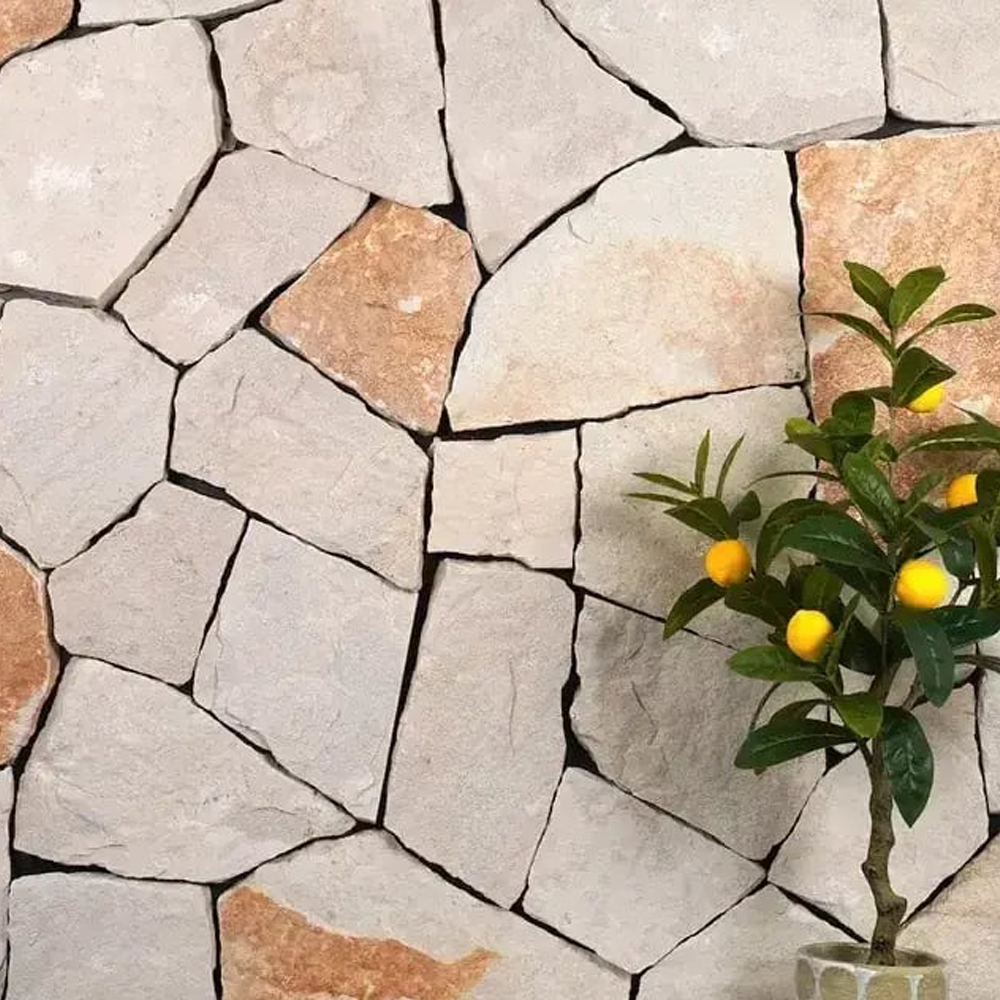
Floor tiles are stone, ceramic or porcelain units cut to a consistent gauge and dimension for installation on a prepared subfloor or substrate. Natural stone floor tiles are quarried directly from the earth and cut to size, retaining the tonal variation, surface character and mineral character formed through geological processes. Unlike manufactured flooring tiles, each natural stone floor tile carries the specific mineral composition and formation character of the deposit it came from so no two pieces are identical.
Stone Depot stocks natural stone floor tiles only. Our flooring tiles range covers, granite, travertine, marble, limestone, bluestone, sandstone and slatestone, each available in multiple finishes and suited to both interior and exterior floor tile applications on a prepared substrate.
What is the Difference Between Floor Tiles and Pavers?
The practical difference between floor tiles and floor pavers is thickness which determines what load each format can carry and the conditions each is suited to.
| Format | Thickness | Suited To |
| Natural Stone Floor Tiles | 12 mm or 15 mm | Interior flooring on a prepared concrete subfloor. Covered exterior surfaces on a solid concrete substrate. Wall cladding applications. |
| Natural Stone Floor Pavers | 20 mm or 30 mm | Ground-level exterior paving under regular foot traffic. Courtyards, alfresco areas, driveways, and patio floor surfaces. |
Laying floor tiles at 12 mm or 15 mm on an unbound exterior sub-base is the most common cause of surface cracking in natural stone flooring installations. For ground-level exterior surfaces that carry regular foot traffic, the 20 mm or 30 mm paver specification is correct. For interior natural stone floor tiles on a prepared concrete subfloor, the 12 mm or 15 mm tile gauge is appropriate.
What Materials are Available in Natural Stone Floor Tiles?
Stone Depot's flooring tiles are available across seven natural stone materials. Each material brings its own geological background, surface character and physical properties to the range.
Travertine
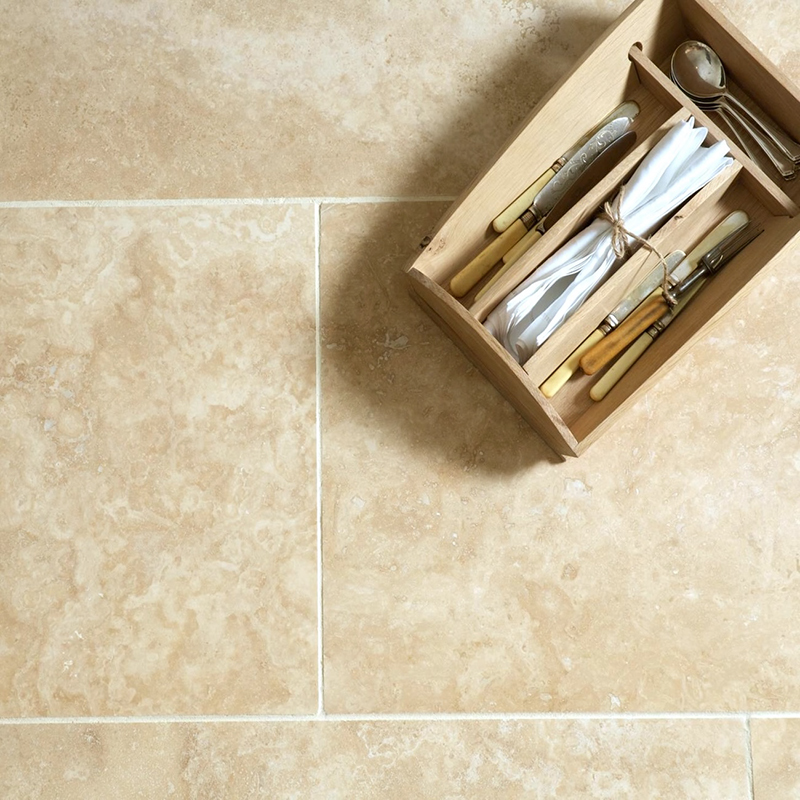
Travertine forms when calcium carbonate-rich groundwater precipitates and solidifies, producing a sedimentary stone with a naturally pitted surface and a wide tonal range. Travertine floor tiles are valued for their organic surface character and the variation between individual pieces.
Limestone
Limestone forms from compressed marine sediment over geological time, producing a fine-grained sedimentary stone made primarily of calcium carbonate. Limestone floor tiles are valued for their consistent surface character and moderate density.
Marble
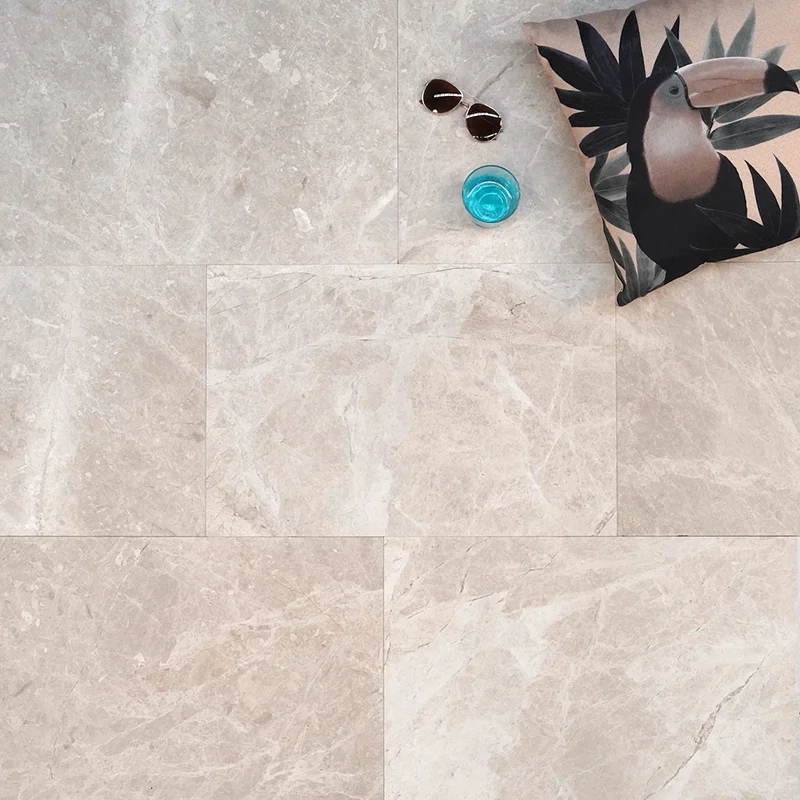
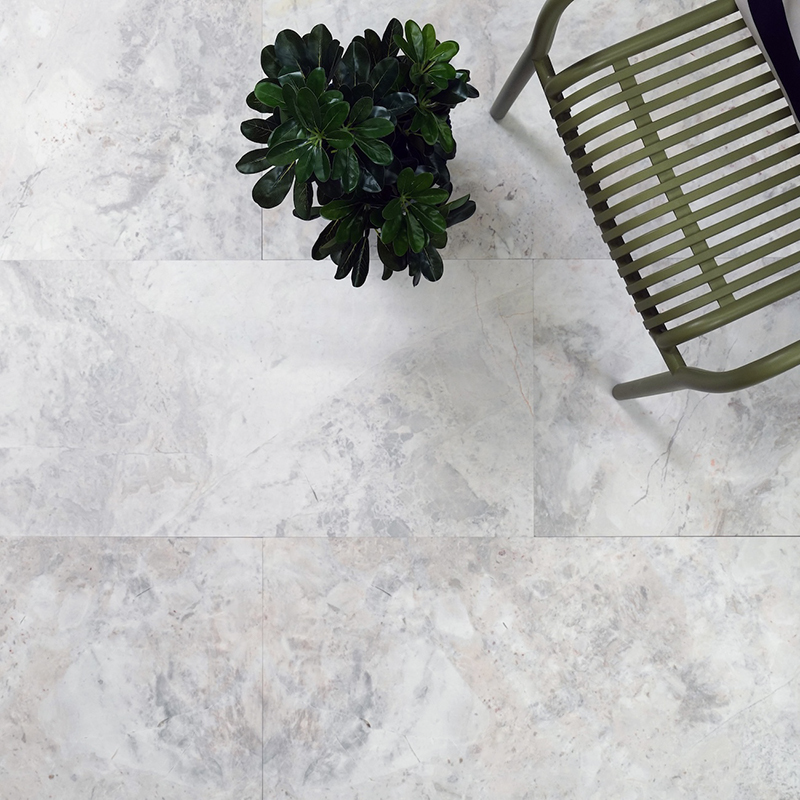
Marble forms when limestone is reshaped by heat and pressure deep within the earth, producing a denser, harder metamorphic stone marked by distinctive veining. Marble floor tiles are valued for this veining character, with no two pieces carrying the same pattern.
Granite
Granite forms as magma cools slowly beneath the earth's crust, producing a dense igneous stone with large mineral crystals and a speckled surface. Granite floor tiles are valued for their low porosity and strong resistance to surface wear.
Bluestone
Bluestone forms from basalt, a fine-grained igneous rock, producing a dense stone with a consistent, even surface character. Bluestone floor tiles are valued for their very low porosity and structural reliability.
Sandstone
Sandstone forms as sand grains compact and bind together over geological time, producing a stone with a layered, grained surface. Sandstone floor tiles are valued for their natural tonal variation and warm surface character from piece to piece.
Slatestone
Slatestone forms from compressed clay or volcanic ash, producing a fine-grained metamorphic stone with a layered internal structure that cleaves naturally. Slatestone floor tiles are valued for their textured, cleaved surface character.
How to Choose the Right Floor Tiles?
Choosing the right floor tiles comes down to matching the physical properties of the stone to the conditions of the surface.
Interior or Exterior
For interior natural stone floor tiles on a prepared concrete subfloor, the 12 mm or 15 mm tile gauge is the correct specification. For exterior stone tile flooring on a covered surface with a solid concrete substrate, the same gauge is suitable. For ground-level exterior surfaces carrying regular foot traffic, the 20 mm or 30 mm natural stone paver gauge is required. Laying tile-gauge stone on an unbound sub-base is the most common cause of cracking in natural stone flooring tile installations.
Stone Hardness and Porosity
Igneous stones are the densest and hardest floor tiles in the range. They carry the lowest porosity and require the least frequent sealing. Metamorphic stones sit in the middle ground. Sedimentary stones are softer and more porous, requiring more consistent sealing attention, particularly in exterior flooring tile applications.
Finish for the Conditions
Honed natural stone floor tiles have a smooth, matte face that is easy to maintain. Tumbled and antique finishes give the stone a naturally aged character with softened edges. Sandblasted and natural split finishes carry an inherent textured surface that performs well under regular foot traffic without any applied coating.
Material to Tonal Result
Each natural stone material has its own tonal character, determined by its geological composition. The tonal appearance of a floor tile shifts depending on the lighting conditions of the space in which it is installed. Reviewing a sample in the actual setting is the most reliable way to assess how a natural stone floor tile will read under the light conditions of that space.
How to Seal and Maintain Floor Tiles?
All natural stone floor tiles carry some degree of porosity and need sealing before installation and at intervals after. How often and which product depends on the stone type, its finish and the conditions the surface faces.
Before installation
Dip-sealing all faces and edges before laying is widely recommended. Unsealed stone faces particularly porous types, can pick up staining from mortar and grouting material during the bedding process. Pre-sealing removes that risk.
After installation
Once installation is done and the surface has been cleaned, apply a final coat of penetrating natural stone sealer to all exposed faces and joints.
Ongoing maintenance
Reseal every two to three years, adjusted for use and exposure. Exterior floor tiles and patio floor tiles in high-traffic or high-moisture conditions may need attention sooner.
Routine cleaning
A pH-neutral stone cleaner diluted in warm water, worked across the surface with a soft mop or brush and rinsed off thoroughly, handles routine cleaning well. Acid-based products such as vinegar, citrus cleaners and low-pH bathroom products will permanently etch the stone surface. Bleach and ammonia-based cleaners should be kept away from all natural stone floor tiles.
Joint maintenance
The grout joints in a natural stone floor tile installation need periodic inspection. Any weed or moss growth should be cleared promptly as root systems work their way into jointing compound and can gradually displace individual pieces over time. Re-point any joints that have cracked or loosened.
Indoor Floor Tiles in Sydney and Australia-wide
Stone Depot stocks floor tiles in Sydney, Melbourne and Brisbane across three warehouses location, each holding the current range for in-person viewing or delivery across Australia. Free samples can be ordered online to see the tone and surface character of your chosen floor tiles in your actual setting. As a natural stone tile company in Sydney, our team can assist with product enquiries, samples and delivery scheduling for residential and commercial floor tile projects.