| Key Insight |
Why It Matters |
| 1. Matching does not mean identical tiles or pavers. | Balanced colours and tones often create a more natural transition. |
| 2. Colour consistency is more important than exact materials. | It keeps the home visually connected. |
| 3. Outdoor surfaces should prioritise safety. | Textured finishes improve grip. |
| 4. Natural stone blends indoor and outdoor spaces beautifully. | Its variation creates a seamless look. |
| 5. Tile size and layout influence visual flow. | Consistent proportions make spaces feel larger. |
| 6. Small design details complete the transition. | Borders, lighting and landscaping tie everything together. |
| 7. Planning the whole space before choosing materials leads to better long-term results. | A unified design feels balanced and timeless. |
An inviting and classy homes rarely stop at the back door. They feel open, connected and easy to move through, whether someone is relaxing in the living room or stepping onto the patio. One major design choice can make that connection feel effortless: Flooring.
Getting the transition right is not about laying the exact same tiles inside and out. It is about choosing materials that work together. There is a quiet magic in visual continuity. Bringing the same tones and textures from room to room opens up the floor plan. This approach makes your entire home feel lighter, more spacious, and deeply peaceful.
This guide shares simple tips for matching indoor and outdoor tiles so interior spaces and outdoor areas flow naturally from one to the next.
Why a Seamless Indoor and Outdoor Flow Matters
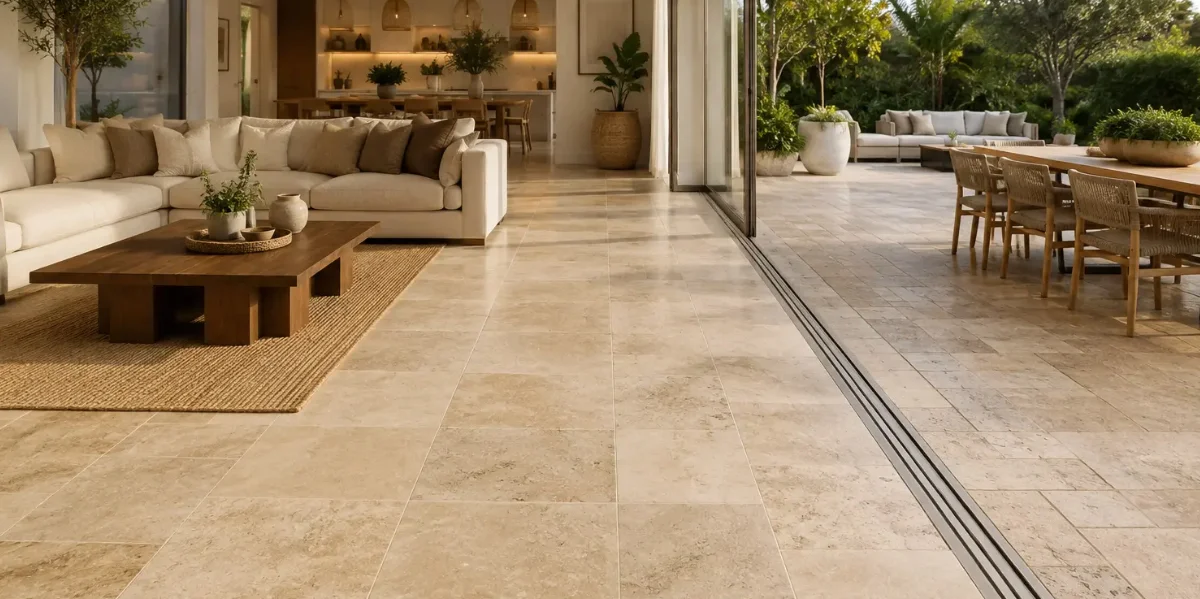
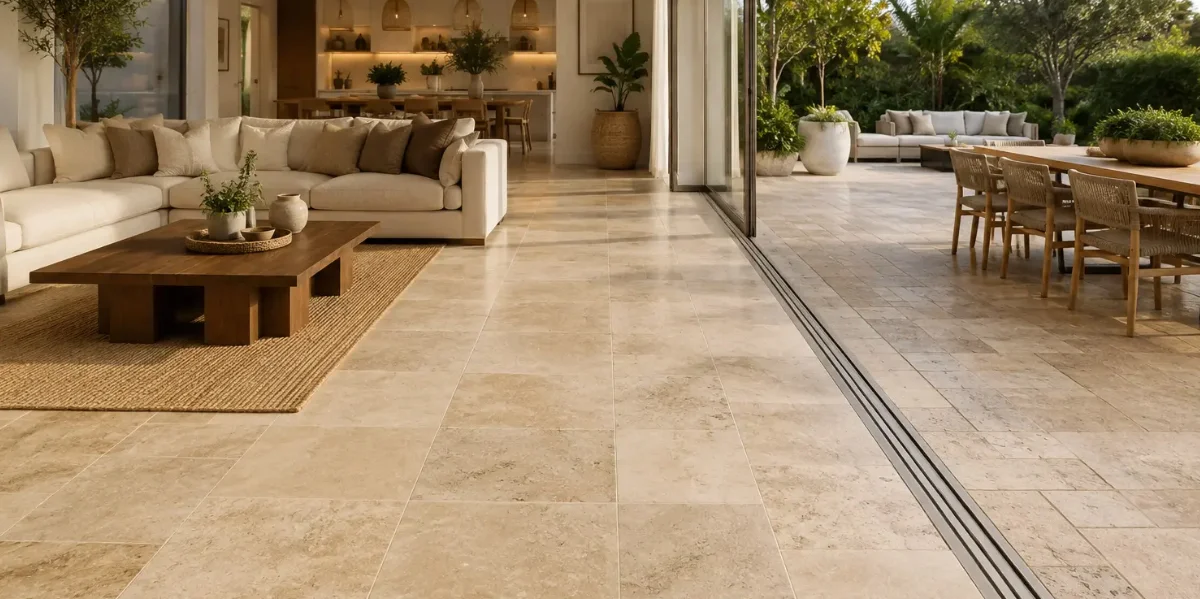
Connecting your indoor and outdoor flooring does a lot for your home. First, it makes your spaces feel larger than they really are. When your eyes glide from the living room to the patio without catching on any visual roadblocks, the whole area suddenly feels like one massive, open space. This trick completely opens up the visual flow of your home. It gives an effortless transition which is an absolute game-changer for home design.
A smooth transition also supports modern indoor and outdoor living design. This style of living is all about enjoying fresh air and sunshine without losing the comfort of your lounge room. Choosing materials that complement each other also adds long-term design value to your home. It shows that the house was planned with care and attention to detail.
Start with the Overall Style Instead of Individual Tiles
Before you look at specific tiles, it helps to consider the architecture of your house. Your flooring should always support the overall style of your home rather than compete with it.
Modern Homes
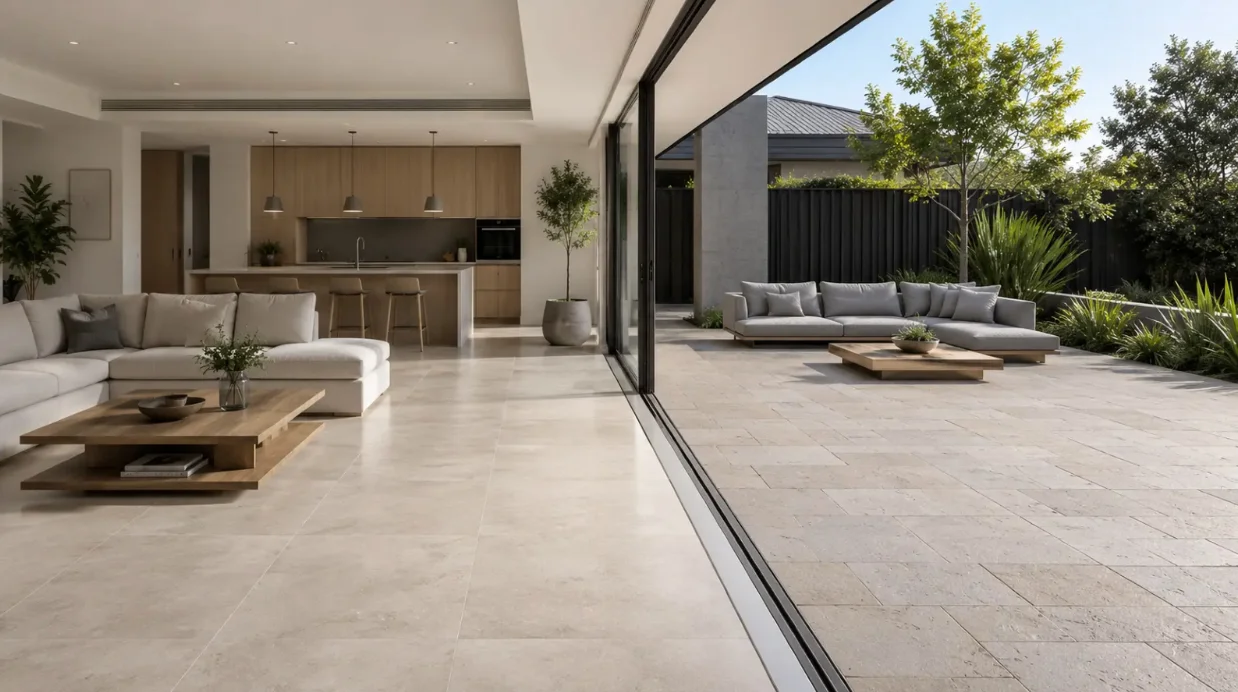
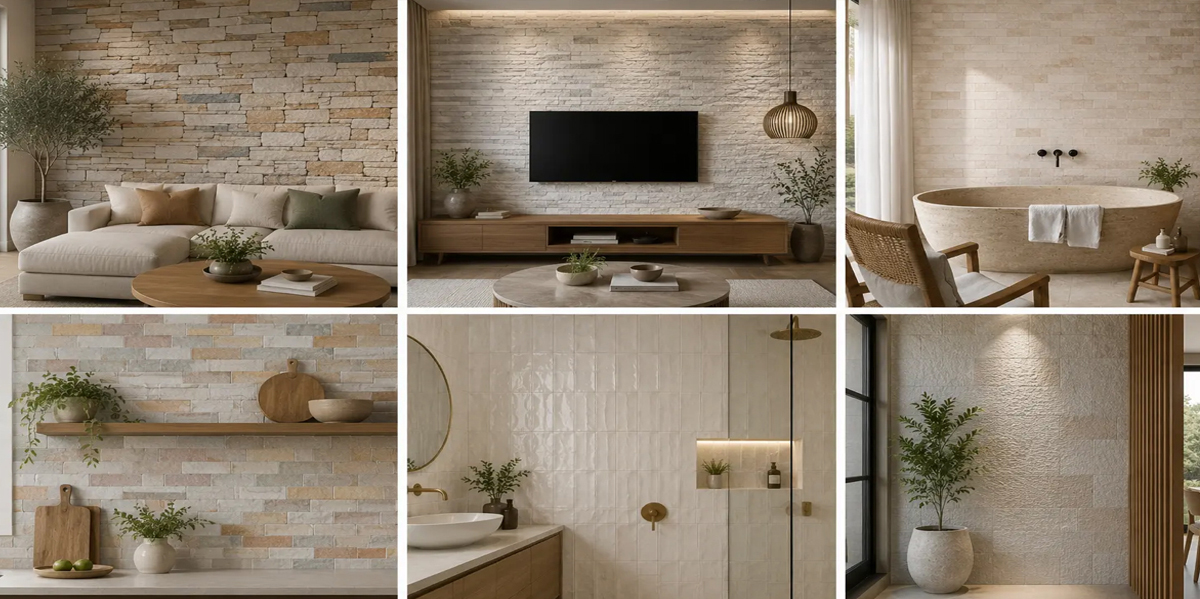
Modern homes are all about simplicity. Clean colours, straight lines and open spaces work best when the flooring feels connected too. Natural stone tiles can help achieve this look without making the design feel plain. Choosing similar shades for both indoor and outdoor areas creates a smooth transition and gives the home a clean, seamless finish.
Classic Homes
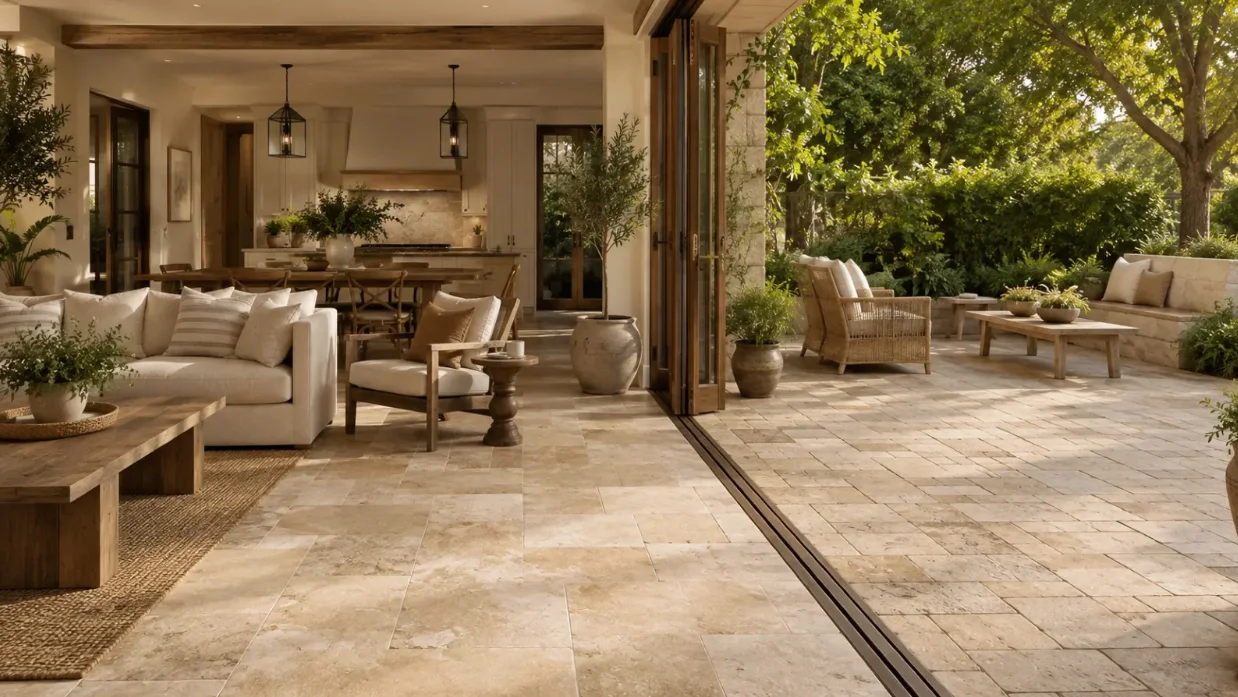
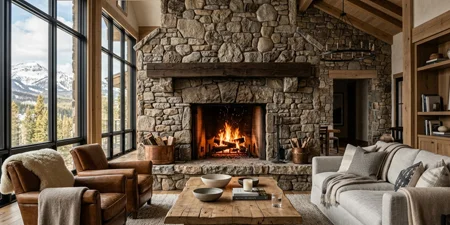
If your home has a traditional or rustic vibe, you really can’t go wrong with textured stone. Warm, earthy tones work beautifully to give a space a grounded, organic feel that makes it look cosy and welcoming. However, creating a cohesive room does not mean everything has to look identical. Instead of chasing a perfectly "matchy-matchy" showroom look, focus on curating elements that share a common design language.
Indoor Tiles vs Outdoor Pavers
| Design Element | Indoor Tiles | Outdoor Pavers | Design Tip |
| Finish | Smooth | Textured | Keep colour similar |
| Colour | Soft neutral | Matching earthy tone | Avoid strong contrast |
| Size | Standard format | Similar proportions | Creates visual flow |
| Thickness | Standard | Thicker pavers | Match appearance, not thickness |
| Grout | Fine joints | Wider joints | Use similar grout colour |
What Should Match Between Indoor and Outdoor Flooring
Instead of trying to use the exact same tile everywhere, you can focus on core design elements. This makes it easier to find matching indoor and outdoor floor tiles that work safely and look beautiful.
1. Colour Tones
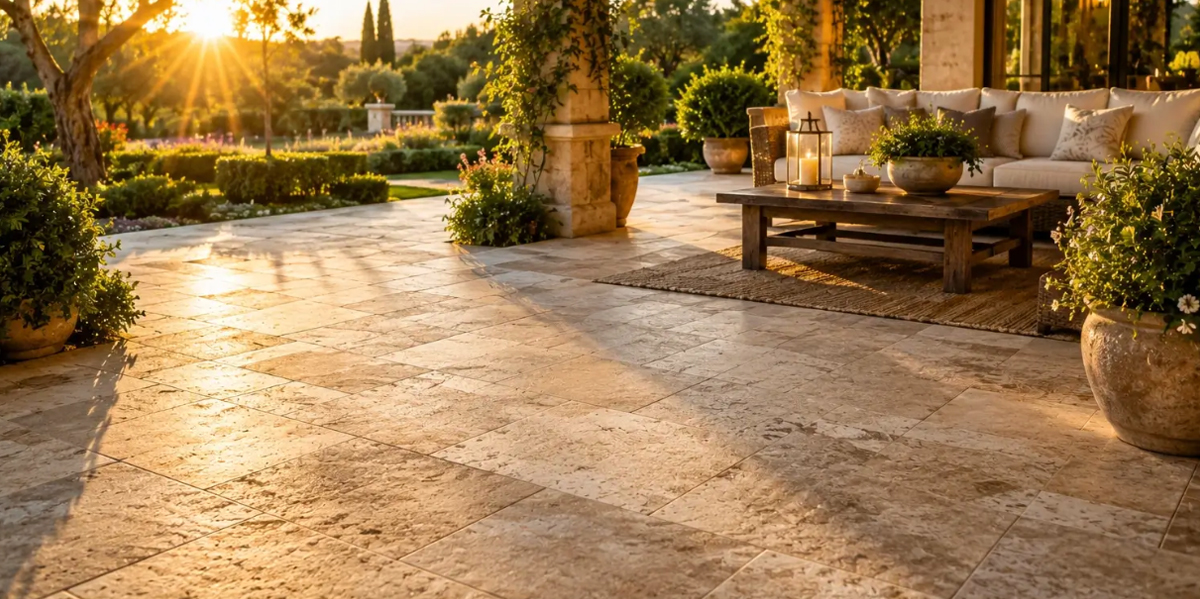
Keep your colour families together. If your indoor area uses warm shades like beige or cream, choose warm outdoor pavers. If your interior is modern with cool grey tiles, look for cool grey stone for your patio.
2. Surface Texture
Safety is very important here. Interior floors should be smooth and easy to clean. Outdoor surfaces need to be textured to keep you safe in wet weather. You can keep the colour the same while changing the texture.
3. Tile Size and Scale
Try to keep the proportions similar. If you have large square tiles inside, choose large square pavers for the outside. This lines up the view and keeps the flow natural.
4. Grout Colour
Grout lines can change how a floor looks. Using a similar grout colour for both zones helps maintain visual continuity. It prevents the floor from looking like a grid.
Natural Stone Makes Matching Easier
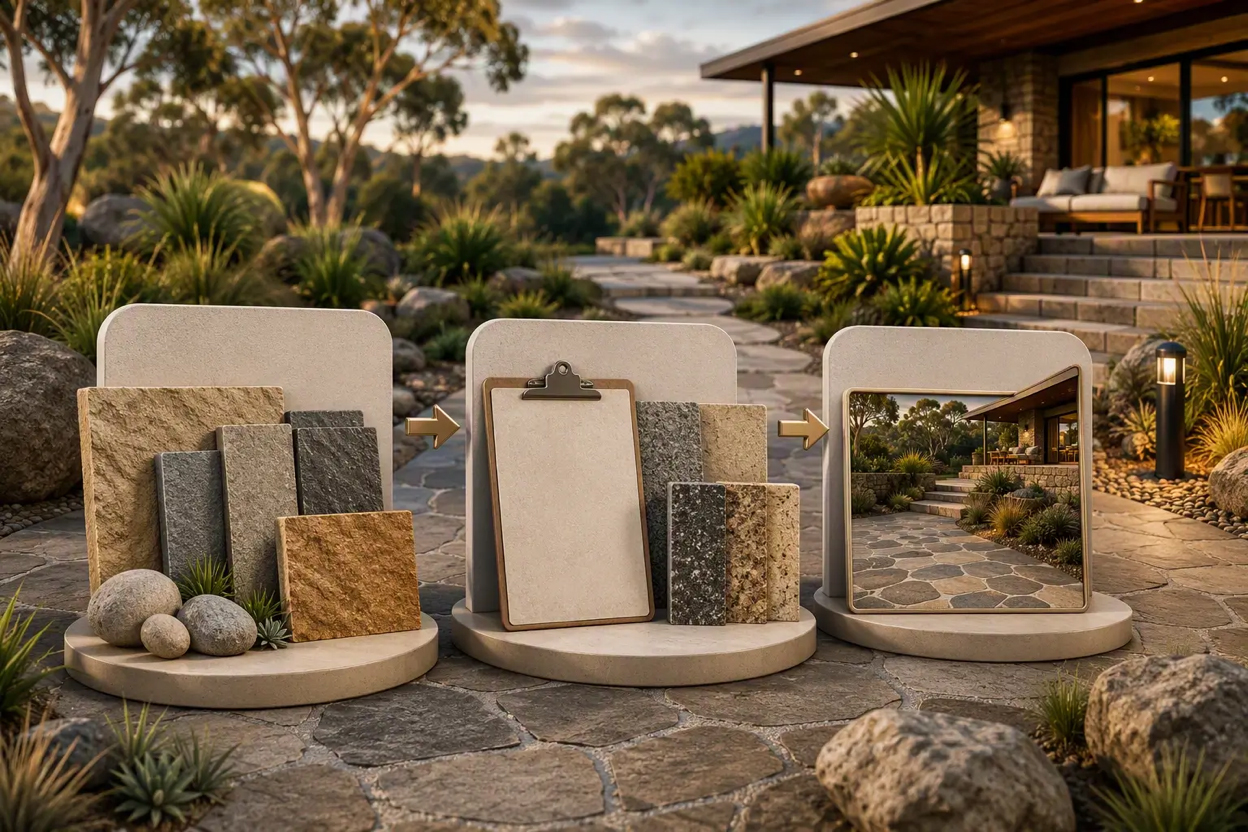
Natural stone is an exceptional material for connecting your spaces. It works incredibly well because every single piece is unique. The colours naturally blend together which prevents the floor from looking boring or manufactured. Stone is also highly versatile and is suitable for both indoor and outdoor applications.
You can find many beautiful options to suit your home. Travertine offers soft, creamy textures that feel luxurious. Limestone provides a calm, uniform look with gentle patterns. Granite is famous for being incredibly tough and lasting for generations. Bluestone gives a gorgeous, cool-toned finish that looks very stylish. Exploring natural stone flooring ideas and outdoor stone flooring ideas will help you see how these materials bridge the gap between rooms.
Choosing the Right Stone for Different Outdoor Areas
Different parts of your garden do different jobs. It is wise to choose your stone based on how you use the space.
| Outdoor Area |
Recommended Material |
Why It Works |
| Patio | Travertine | Comfortable and timeless |
| Pool Area | Limestone | Cool underfoot |
| Garden Path | Granite | Strong and durable |
| Courtyard | Bluestone | Modern appearance |
By selecting materials that match your indoor style, your outdoor paving ideas will look intentional. Using these outdoor stone flooring ideas ensures your yard feels like an extension of your lounge room.
Small Details That Make the Biggest Difference
Great design is not just about the floor. You can use other elements to tie your spaces together. Lighting is a wonderful tool. Placing warm lights at the same height inside and outside makes the area feel connected at night. Landscaping also helps. You can bring potted plants inside that match the bushes on your patio.
Your threshold design should be simple. Low tracks for sliding doors make the walk outside very easy. Good drainage ensures water stays away from your glass doors. You can also match your indoor furniture colours with your outdoor chairs. Repeating textures like timber or woven baskets in both areas creates a wonderful harmony.
Common Mistakes and Better Alternatives
| Common Mistake |
Better Choice |
| Choosing identical indoor tiles for outdoors | Select matching colours with an outdoor-rated finish |
| Mixing warm and cool tones | Stay within one colour palette |
| Using many flooring materials | Limit the number of materials |
| Ignoring natural slip resistance | Choose textured outdoor surfaces |
| Different tile sizes everywhere | Keep proportions balanced |
Conclusion
A seamless home starts with thoughtful flooring choices. When you design your space, focusing on colour, texture, proportion and purpose instead of exact matches will give you the best results. Well-planned matching indoor and outdoor tiles can make any home feel larger, brighter and more connected. It removes the hard borders between your indoor life and the beauty of nature outside. You may find that choosing quality natural stone provides both the style and long-term performance you need for a beautiful home.
*Disclaimer: All information and advice given above in the blog are to the best of our knowledge. Please reconfirm at your end before execution.