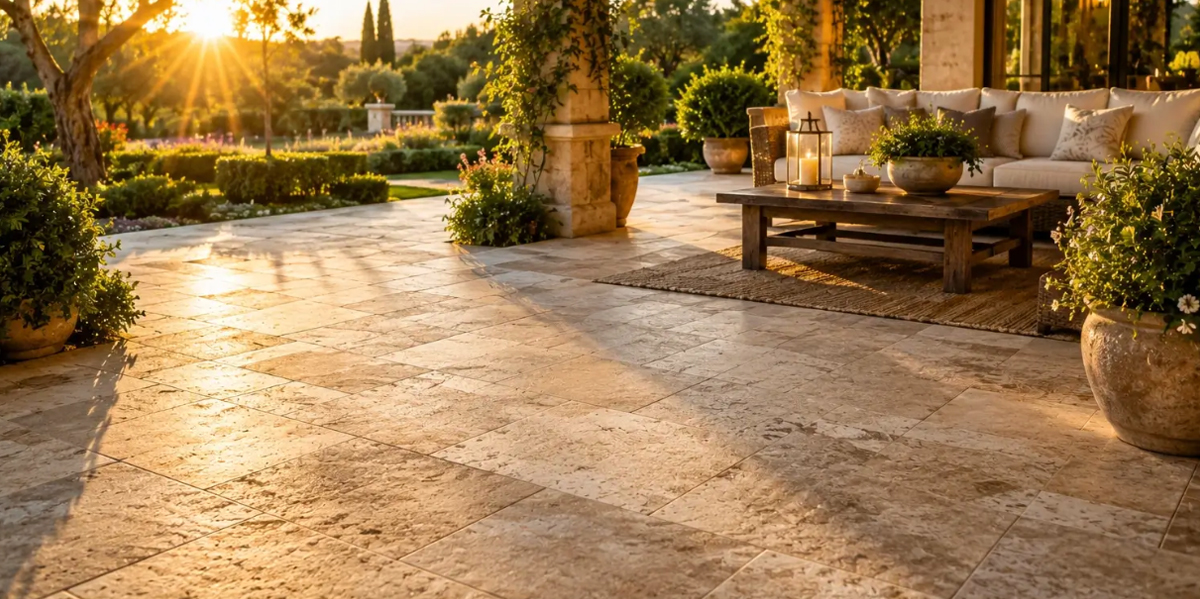
Choosing natural stone often starts with something simple. You see a colour or texture you like and begin to imagine it in your own space. Then you look at the options and realise there is quite a bit more to consider.
Limestone, travertine, sandstone, bluestone and granite can bring a different look to an outdoor area. The finish and size can change that look again. On top of this, the stone needs to suit the way the space will be used and the conditions around it.
So where should you start?
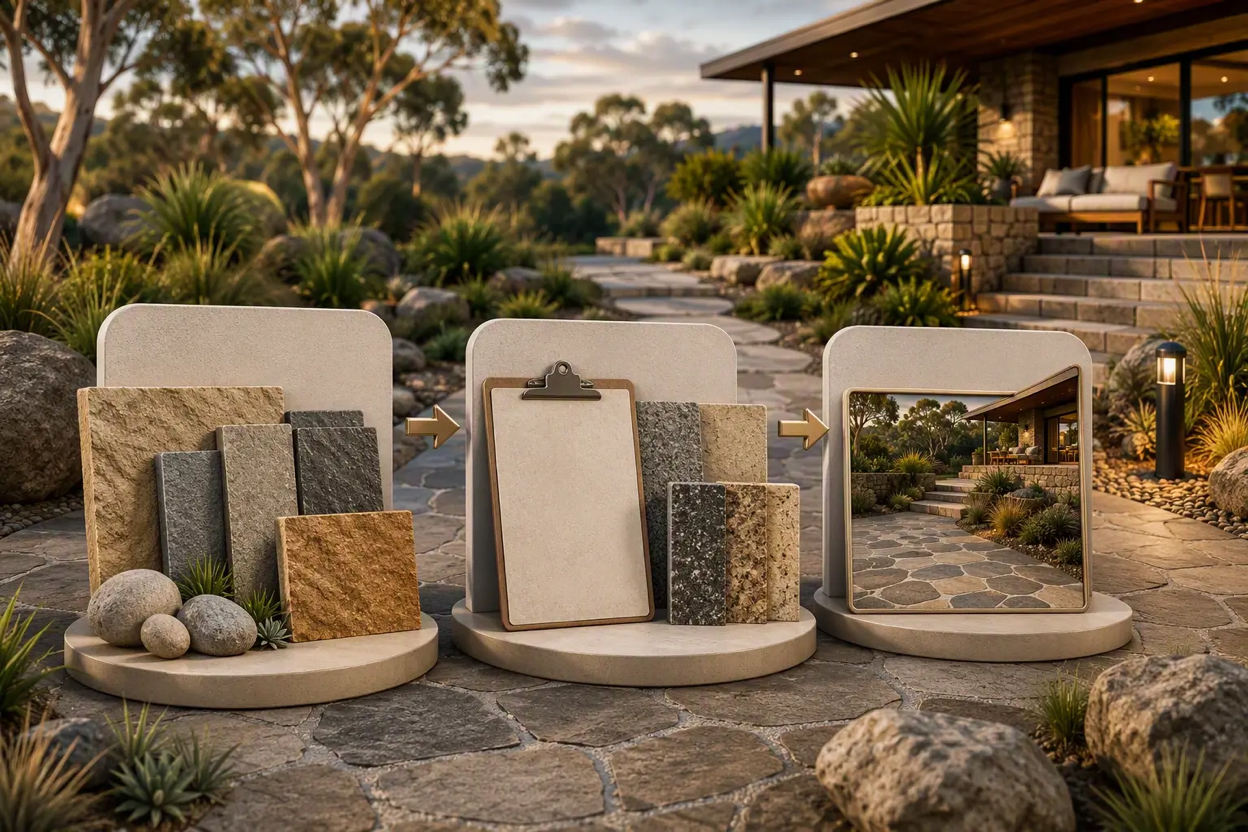
This natural stone guide takes you through the main things worth considering before you choose. From the place you are paving to the stone type, finish, size and care, each step can help narrow down the options.
Start With Where You Plan to Use the Natural Stone
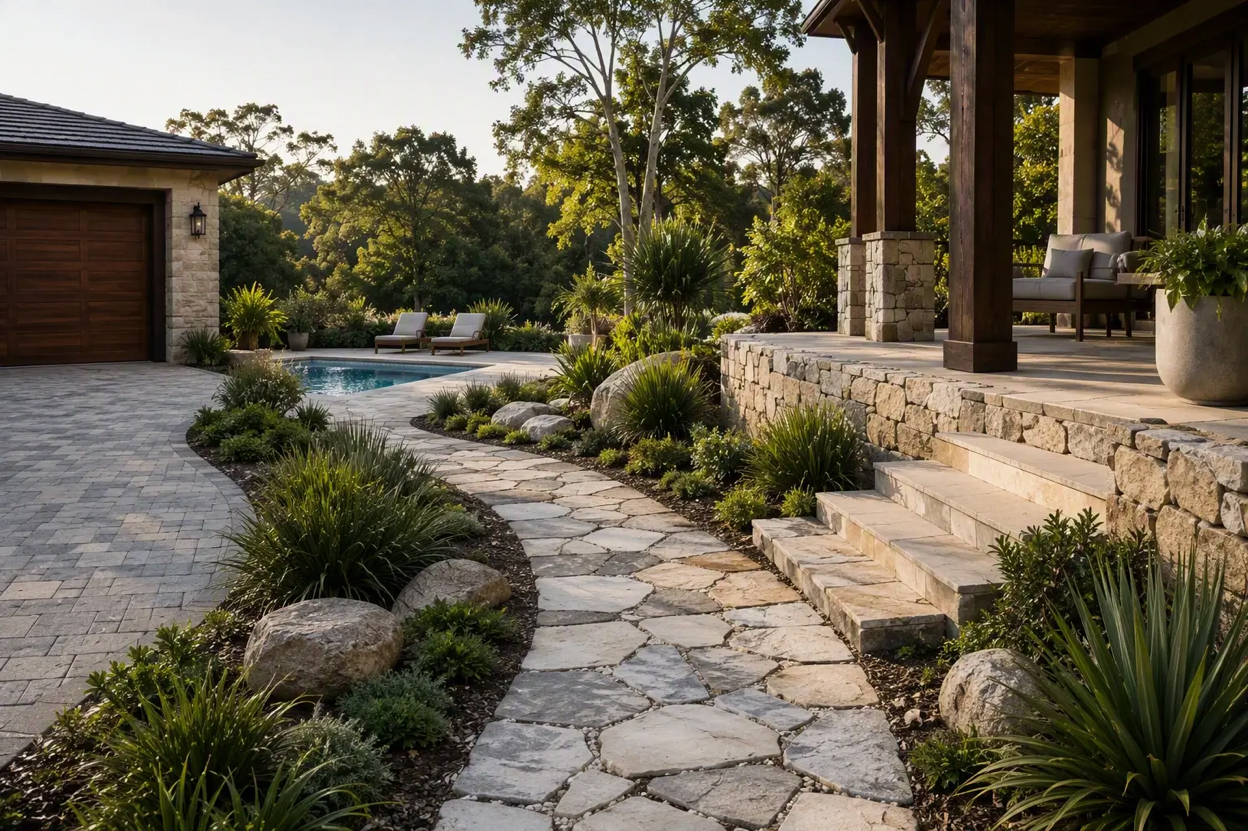
Before getting into colours and patterns, it helps to picture the finished space. A patio, garden path and pool area may all use natural stone, but they are not used in quite the same way.
Think about what normally happens in the area. Will people walk across it often? Will furniture sit on it? Is it likely to get wet? Or is the stone mainly there to add a feature to the garden?
Natural stone can be considered for areas such as:
- Patios and outdoor entertaining areas
- Garden paths and walkways
- Driveways
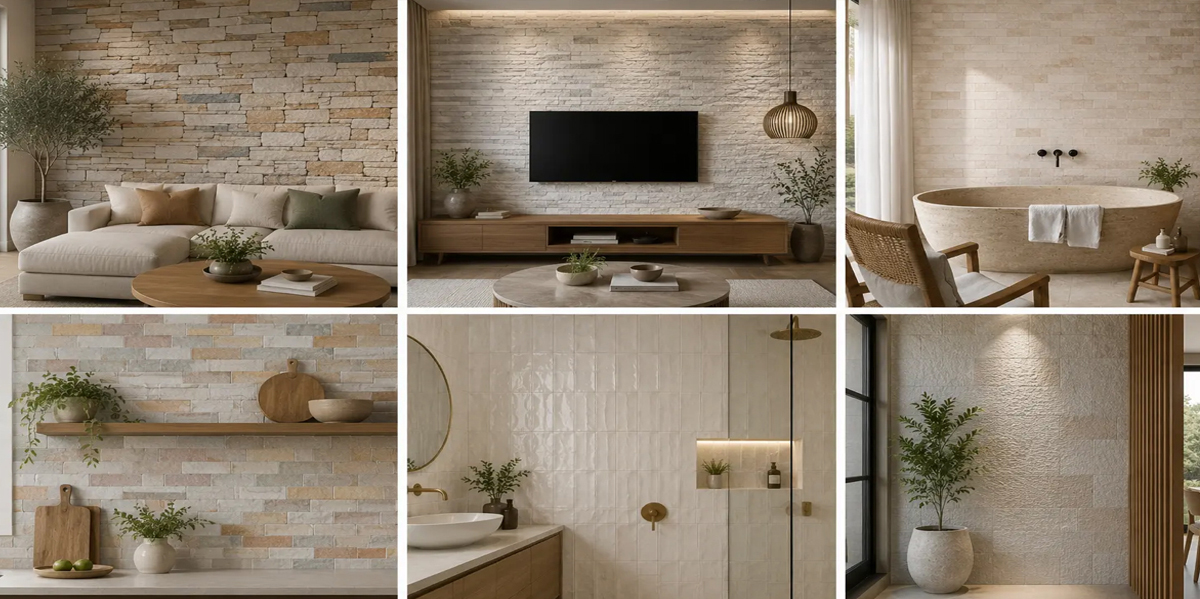
- Outdoor walls
- Courtyards
The use of the space gives you a useful starting point. Once that is clear, it becomes easier to look at stones that may suit the job.
Find the Right Natural Stone Types in Australia
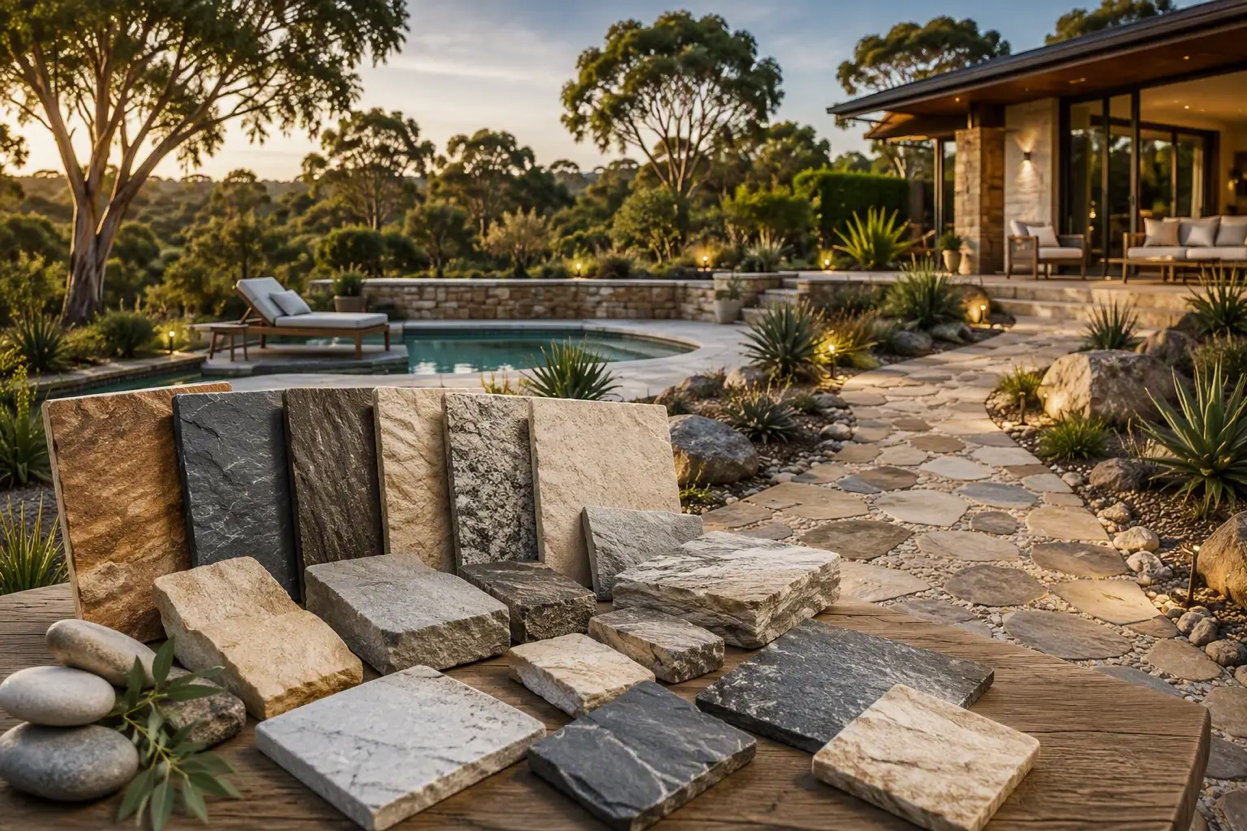
Now comes the part most people enjoy. You can start comparing the actual stones.
There is no single material that needs to work for every project. Natural stone types for Australian landscaping come in different colours, textures and finishes. Some have a softer look while others feel bold and structured.
Here are a few common options to consider.
| Stone type |
General look |
Areas to consider |
| Dirt and mud | High-traffic areas and entry points | High-traffic areas and entry points |
| Limestone | Light and soft | Patios, paths and courtyards |
| Travertine | Warm and naturally varied | Patios and pool areas |
| Sandstone | Earthy and natural | Gardens, paths and patios |
| Bluestone | Deep grey and blue | Patios, paths and courtyards |
| Granite | Hard with varied patterns | Paths, steps and high-use areas |
These are general points rather than fixed rules. The right option can depend on the individual product, finish, thickness and installation.
Check the Stone’s Finish and Surface
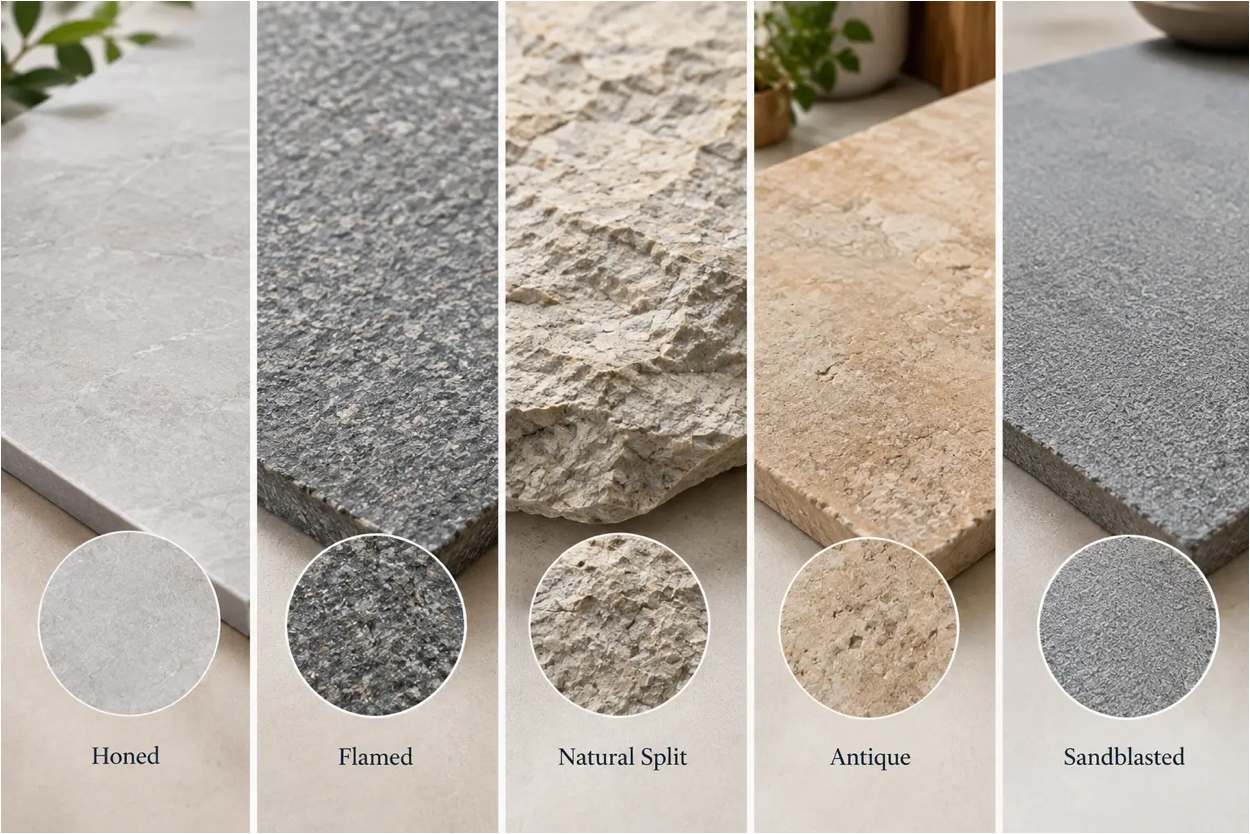
Finding a stone you like is one thing. Deciding how you want it to feel and look is another.
The finish can change the appearance of natural stone in Australia spaces slightly. It can also affect the feel of the surface and the way it fits with the rest of the space. Some finishes you may come across include:
- Honed for a smooth and even appearance
- Flamed for a slightly rough and textured surface
- Natural Split for a natural, uneven texture
- Antique for a softer, aged appearance
- Sandblasted for a lightly textured, non-smooth surface
Get the Size and Thickness Right
Once you have a stone and finish in mind, the next question is often about the pavers themselves.
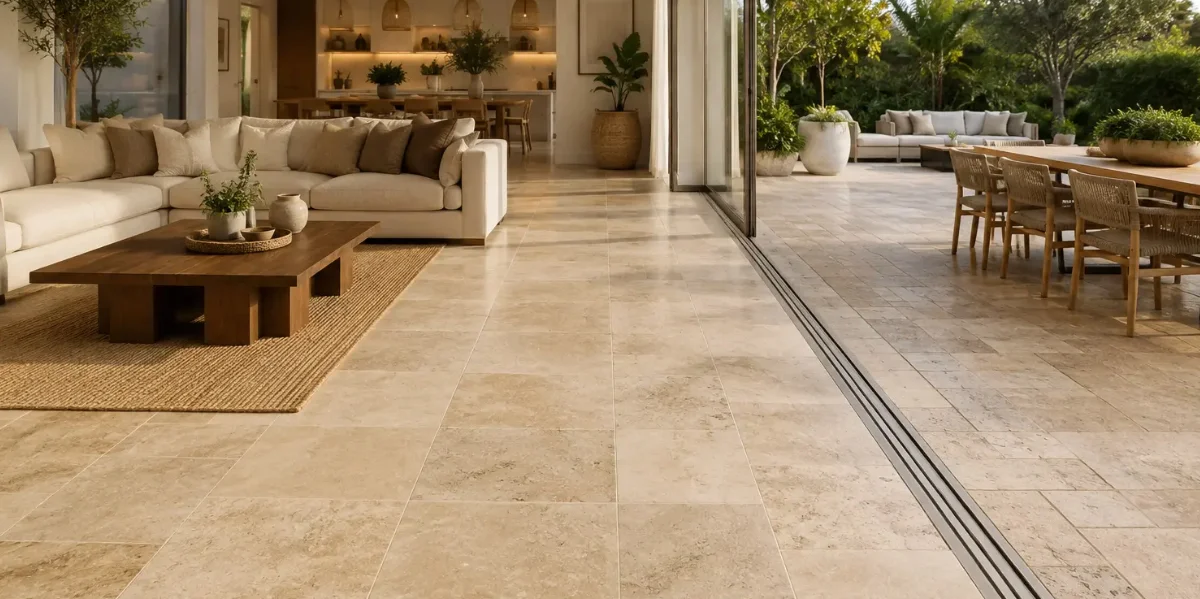
Large format pavers can make an area feel more open. Smaller pieces can suit certain patterns and tighter spaces. There is also the thickness to consider, especially when the paving will be exposed to regular use. A few details are worth checking before settling on a size:
- The total area being covered
- The paving pattern you have in mind
- Expected foot traffic
- Paver thickness
- Installation method
- Whether the area will carry vehicles
This is particularly useful when learning how to choose natural stone pavers. A paver that looks right may not necessarily be the right format for the intended application. The layout matters too. It can help to think about the size of the area rather than choosing a paver size on its own.
Think About the Australian Weather
Outdoor stone has to live with the conditions around your place. That means the local weather is worth thinking about before you buy.
An area that gets strong sunlight throughout the day may have different needs from a shaded space. Rain, changes in temperature and moisture can also play a part. The location of the project can give you a few useful points to consider:
- How much direct sun reaches the area
- How often the surface is exposed to rain
- Whether temperatures change a lot through the year
- If the property is near the coast
There is no need to make this more complicated than it is. The main idea is to consider the conditions the stone will face once it is installed. This can also help you ask better questions when comparing natural stone products.
How to Maintain Natural Stone Outdoors?
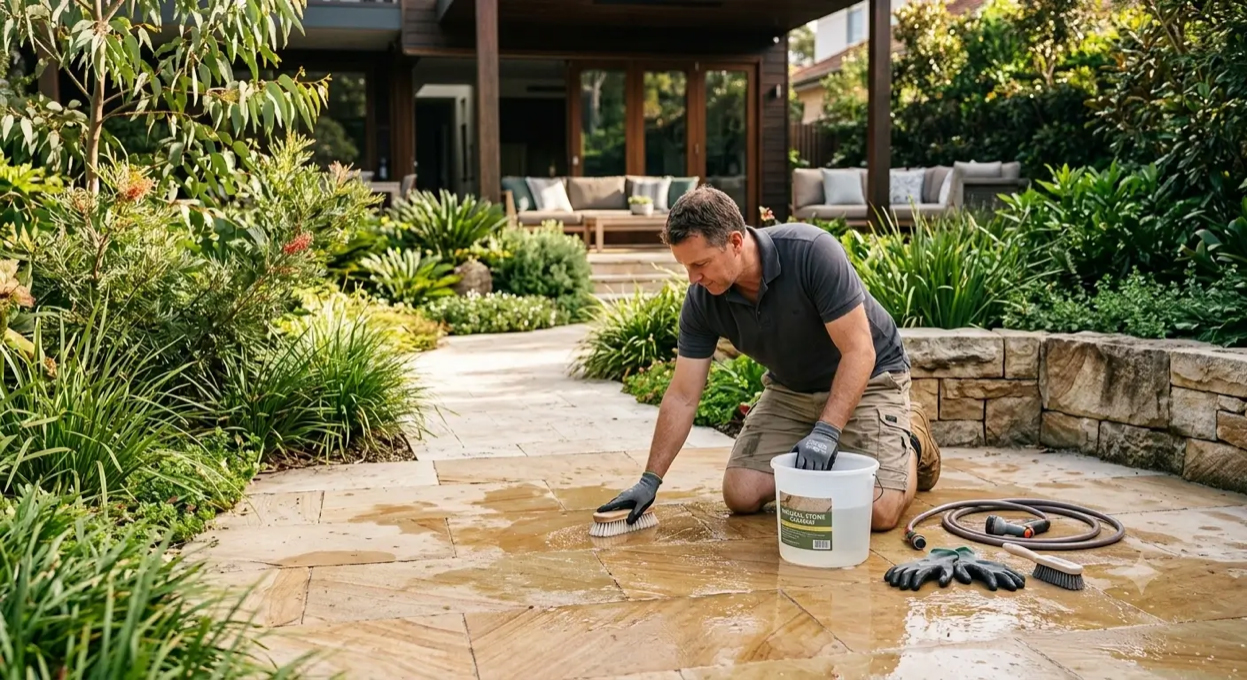
Regular sweeping can help keep loose dirt from building up. When the surface needs a deeper clean, a pH-neutral cleaner made for natural stone may be a better choice than a harsh household product.
Sealing is another point to check. Some natural stones may benefit from sealing while the timing and product can vary.
It can be useful to find out:
- What type of cleaner is suitable
- Whether the stone needs sealing
- How often sealing may be recommended
- How spills should be handled
- Whether the finish has any specific care needs
Looking into these details before buying gives you a clearer idea of the care involved. It also helps you choose a stone that fits your willingness to maintain the space.
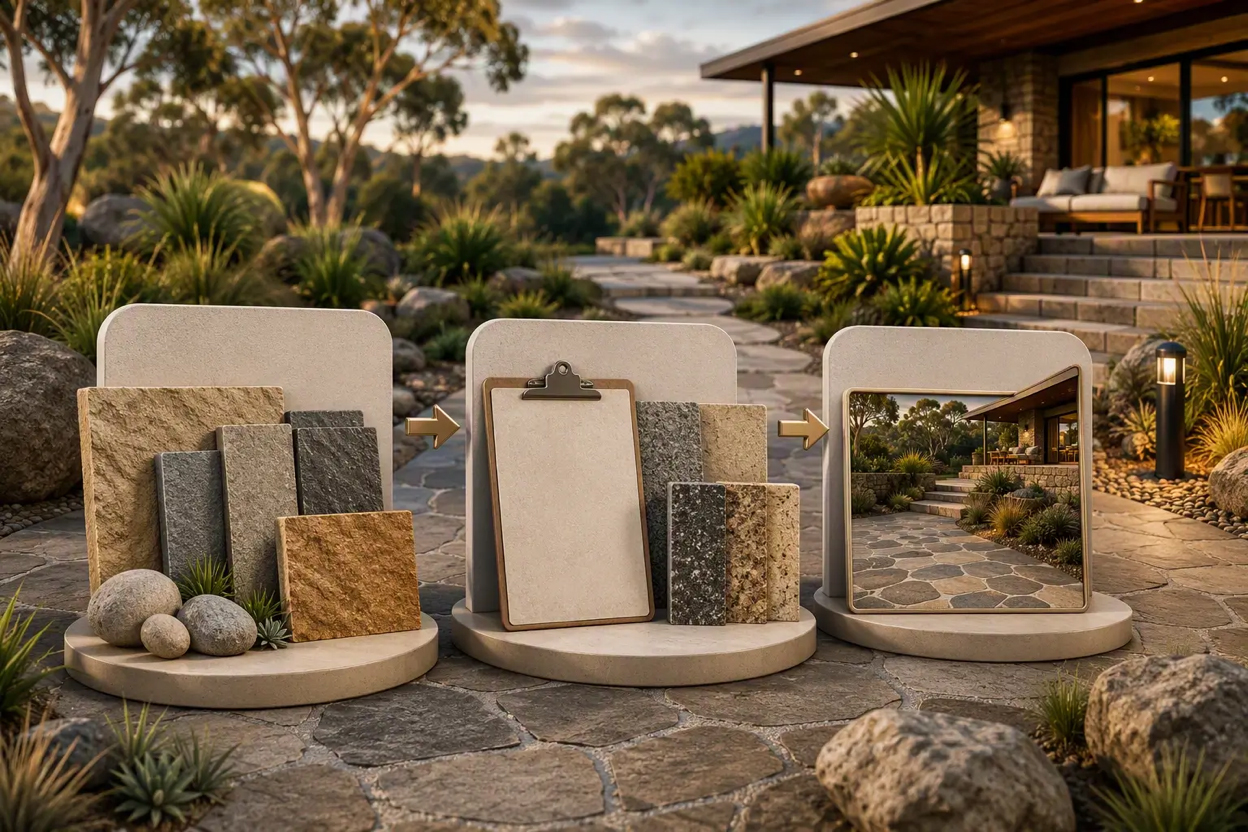
Always Check the Stone Before Ordering
By now, you may have a good idea of the material you want. Before placing an order, there is one more step that can make the decision feel easier.
Look at the actual stone.
Natural stone comes with its own variation. Colour, markings and texture can change from one piece to another. A product photo can show the general appearance but may not give you the full picture. A sample can help you see how the stone looks next to your walls, plants, furniture or other surfaces. It is also worth checking:
- Available sizes
- Thickness
- Finish
- Natural colour variation
- Product availability
- Installation requirements
- Delivery options
These details may seem small when you first start looking. They can make a real difference once the project moves from planning to ordering.
What to Expect from Stone Depot
Stone Depot brings the final part of the buying process together. With decades of experience as a natural stone supplier, we offer multiple natural stone type in australia with different finishes, sizes, colours, and styles for homes, landscaping and outdoor spaces.
With warehouses in Melbourne, Sydney and Brisbane, Stone Depot can support projects across Australia. It gives you the chance to explore different stone options, ask questions about what may work for your space and have someone from the team help you through the next steps.
At Stone Depot, you can also request a FREE Sample to get a better idea of the stone’s Look and Feel before ordering. Our team can help you check product availability and delivery options too. Once you have found the stone you want, you can request a quote and take the next step.
Conclusion
The right natural stone is not always the one that catches your eye first. It is the one that suits the space, the way it will be used and the conditions around it. Looking at the stone type, finish, size, thickness, care needs and actual samples can make the choice much clearer. From comparing options and checking samples to confirming availability and delivery, the right support can make the move from choosing a stone to ordering it feel more straightforward.
FAQs
- How to choose natural stone in Australia?
- Which natural stone is suitable for outdoor areas in Australia?
- Limestone for a lighter finish
- Travertine around patios and alfresco
- Sandstone for paths and garden spaces
- Bluestone in grey and blue shades
- Granite for areas that face heavy foot and vehicle traffic
- How to choose the right stone pavers?
- What are the natural stone types for Australian landscaping?
First, think about where you are going to use it. A path, patio, and pool area may need different things. Then check the stone type, finish, size, and thickness. Weather and foot traffic are also worth keeping in mind. If you can, look at a sample before making the final choice.
For outdoor areas, you can look at:
Start with the size and thickness you need. Then think about the finish and how much use the area will get. The paving pattern matters too, especially if you have a certain look in mind. Before ordering, take a quick look at the product details as well.
Common choices include Limestone, Travertine, Sandstone, Slatestone, Marble, Bluestone and Granite. They all have different looks. Some feel warm and earthy, while others have a darker or cleaner finish. Think about space first, then choose a stone that fits it.
*Disclaimer: All information and advice given above in the blog are to the best of our knowledge. Please reconfirm at your end before execution.