










What Makes Each Stone Unique?
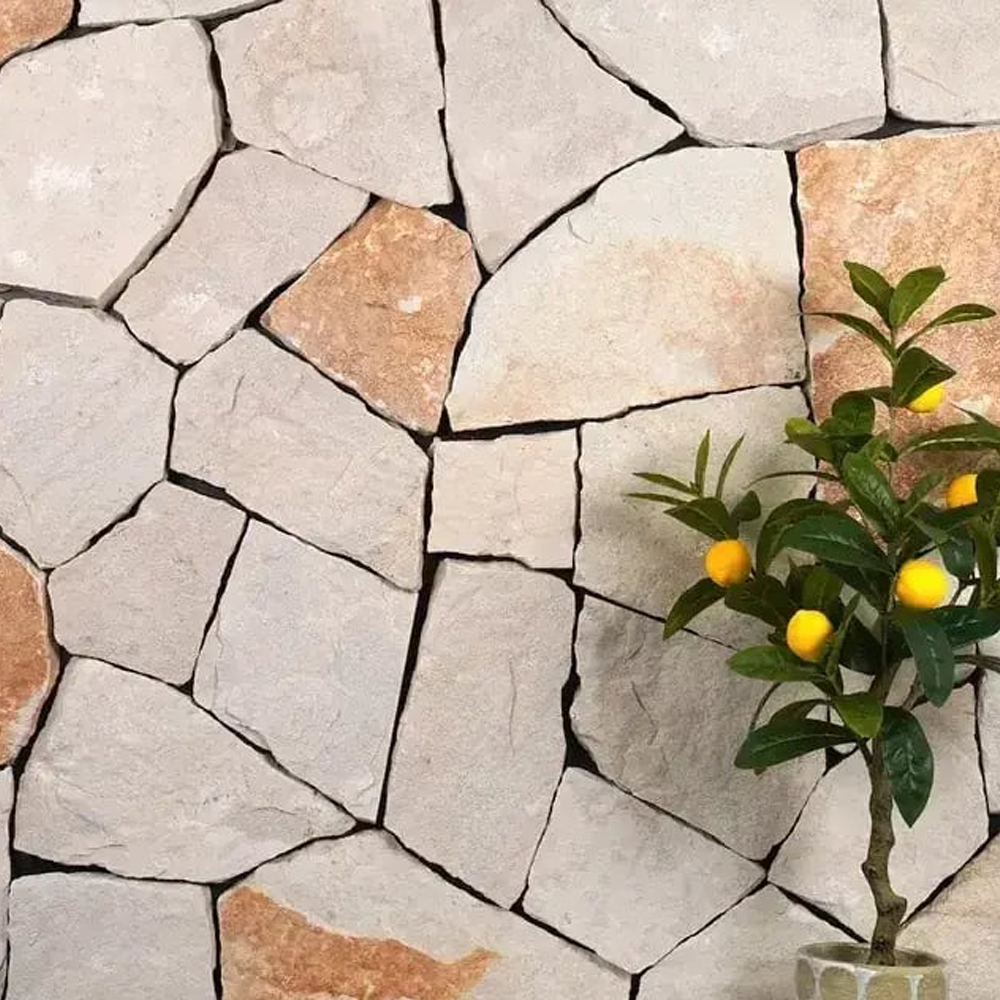
Each piece of natural stone carries its own grain pattern, tonal banding and surface character formed over geological time. No manufactured or concrete alternative can reproduce this. The variation between individual pieces is not a defect. It is what makes a natural stepping stone path visually alive rather than repetitive.
What Is the Difference Between Stepping Stones and a Paved Path?
The practical difference comes down to how each surface is laid, how it drains and how it reads in the landscape.
| Feature | Stepping Stones | Paved Path |
| Coverage | Individual stones with open spacing. Lawn, gravel or ground cover fills the gaps. | Continuous surface with consistent joints across the full path width. |
| Sub-base | Compacted sand or gravel prepared beneath each stone individually. | Compacted road base across the full path area with continuous bedding. |
| Installation | Each stone is set individually. Lower overall labour than a full paved surface. | Continuous base, bedding and jointing - higher total effort. |
| Drainage | Open ground between stones allows water to permeate naturally. | Full paving requires deliberate drainage design - water must be directed off the surface. |
| Visual Character | Open, informal, natural. The stone material and spacing define the path's feel. | Structured and continuous. The joint pattern and format define the surface. |
For garden paths, lawn routes and informal walkways, stepping stones typically suit the conditions and design intention better than a fully paved surface. For high-traffic entry routes or formal paths that need to handle regular wear across their full width, continuous paving is the more practical specification.
Stepping Stones by Material
The material determines the tonal character, surface feel underfoot and how the stone performs over time in garden and exterior conditions. Stone Depot's stepping stones range covers four natural stone materials.
| Material | Description |
| Granite Stepping Stones | Granite is a dense, crystalline igneous rock with a surface hardness that is difficult to match in other natural stone types. |
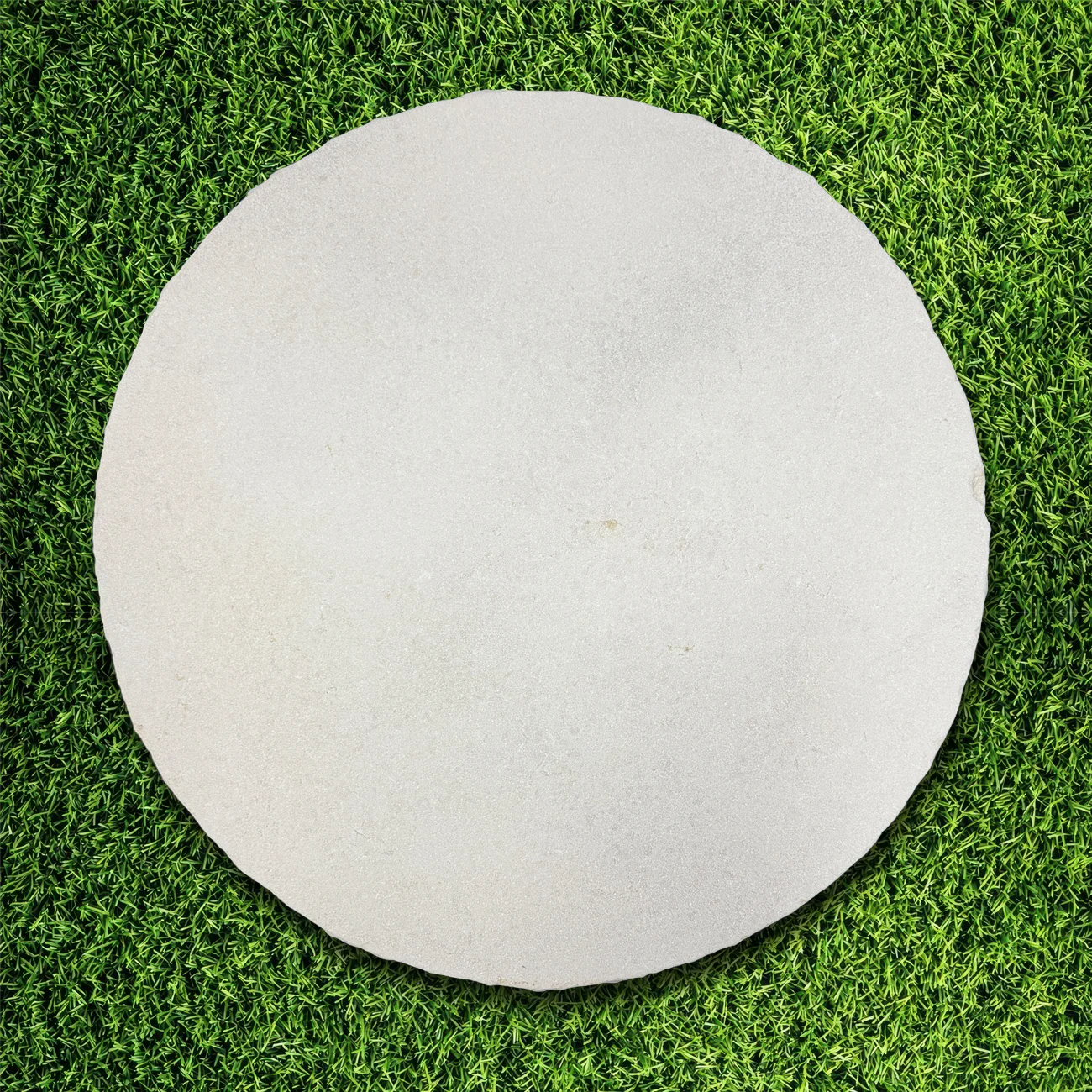
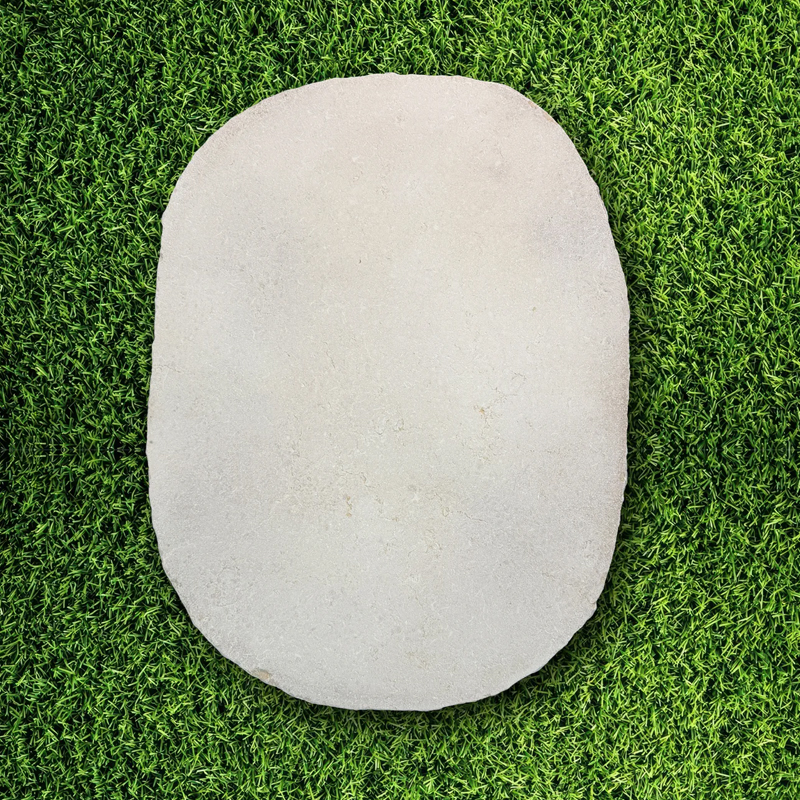
| Limestone Stepping Stones | Limestone has a fine-grained, even surface that suits both contemporary and traditional garden settings. It is cut cleanly and holds its surface quality well when correctly sealed and maintained. |
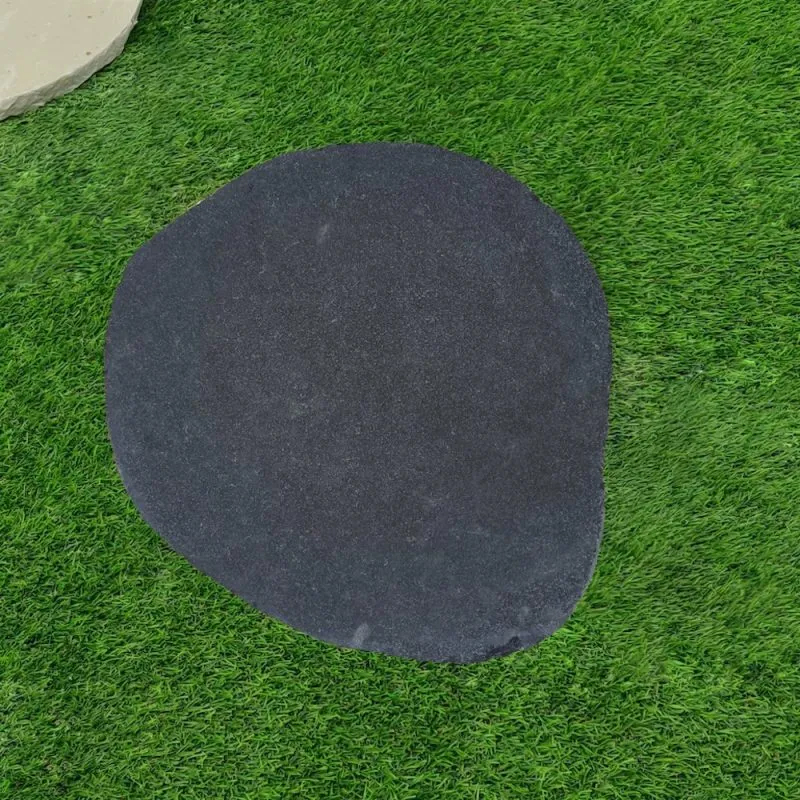
| Bluestone Stepping Stones | Bluestone reads as strong and deliberate against lighter garden surfaces - lawn, gravel, pale ground covers. It is a basalt-family stone with exceptional density. |
Why Choose Stepping Stones?
| Quality | What It Means in Practice |
| Surface Character That Does Not Wear Off | The grain, texture and tonal variation in each stepping stone is geological. It does not wear away, fade or peel. The surface on day one is the same surface you will see in twenty years with regular care. |
| Long Service Life | When correctly set on a prepared base and sealed before installation, quality stepping stone pavers have a service life measured in decades. |
| Natural Drainage | The open ground between garden stepping stones allows water to permeate at the stone joints rather than run off a continuous surface, reducing waterlogging along the path. |
| Tonal Flexibility | The range spans across multiple tones giving genuine choice across different garden settings. |
Where Are Stepping Stones Used?
Stepping Stones for Garden Paths
Stepping stones for garden paths work best when set at a comfortable walking stride. The gap between each step stone is part of the design; lawn, gravel or ground cover fills it and how much stone versus ground cover you have determines whether the path reads as formal or relaxed.
Stepping Stones for Backyard Settings
Stepping stones in backyard layouts serve both a practical and a design purpose. A well-placed sequence of garden stone steps links key areas defines a clear route and adds visual structure to the landscape without breaking it up with a continuous paved surface.
Outdoor Step Stones for Exterior Settings
Outdoor stepping stones are cut from materials that handle the full range of Australian conditions - heat, UV, seasonal rain and coastal salt air. Outdoor step stones in granite and bluestone suit high-exposure settings particularly well. Limestone performs well when correctly sealed and maintained.
Path Stones - Setting and Spacing
Path stones should sit flush with or just slightly above the surrounding surface. In a lawn, each stone needs to clear the mower deck. In a gravel garden, set the stone so the gravel runs cleanly to the face. Getting the level right on each individual stone is the most important step in a path that stays even and comfortable over time.
How to Install Stepping Stones?
Correct installation is the most important factor in the long-term performance of garden stepping stones and stepping stone pavers. Stone Depot recommends engaging a qualified stone installer for large format steppers and complex path layouts.
Sub-base preparation - Clear and excavate each stepping stone position to the appropriate depth. Remove all vegetation and soft organic material, then fill with compacted crushed rock or road base. A stable, well-drained base is the primary factor in keeping path stones level over time - base movement is the most common cause of displacement and rocking.
Bedding - Set each step stone on a bed of fine washed sand or mortar over the compacted base. Sand suits stable, well-drained conditions. In clay soils or high-moisture settings, a mortar bed is preferable, as sand-set stones can shift as the ground moves seasonally.
Levelling - Check each stone for level in both directions before the bedding sets. Every stepping stone must be checked individually - a continuous level across the path cannot be assumed.
Spacing - Set stones at a comfortable walking stride so the path feels natural underfoot. For a route where the stones also serve as a visual feature, wider spacing creates a more considered rhythm.
Sealing - Seal all faces and edges of each garden stepping stone before installation, then reseal the finished surface once the bedding has fully cured.
How to Clean and Maintain Stepping Stones?
Stepping stones in a garden setting are exposed to organic matter, soil, leaf litter and moisture. Regular, gentle care keeps the stone's surface character intact and the sealer performing correctly.
Routine Cleaning
Remove loose debris - leaf litter, soil, grass clippings - with a stiff brush or broom before washing. Mix a pH-neutral stone cleaner with warm water and apply with a soft brush or low-pressure sprayer. Rinse thoroughly with clean water and allow the stone to dry fully. Do not use bleach, vinegar, citrus-based products or general household cleaners - acids and alkalis degrade both the stone surface and the sealer that protects it.
Sealing - An Essential Step
All natural stone stepping stones are porous and should be sealed before installation and re-sealed periodically thereafter. Dip-sealing all faces and edges before laying is strongly recommended - this protects the stone from staining during installation and from the organic matter and moisture common in garden settings. After installation, reseal every one to two years in garden and exterior conditions.
What to Avoid
- Acid-based cleaners - vinegar, lemon juice and citrus-based products
- Household cleaners containing bleach or ammonia
- Abrasive scouring pads or stiff wire brushes that can scratch the stone face
- High-pressure washing at close range on limestone or sandstone steppers - pressure can erode softer stone finishes over time
- Allowing organic staining from leaf litter, tannin or moss to sit on unsealed stone for extended periods
Stepping Stones in Sydney, Melbourne and Brisbane
Stone Depot stocks natural stone stepping stones across three warehouse locations, each holding the current range for in-person viewing, direct collection or delivery across Australia.