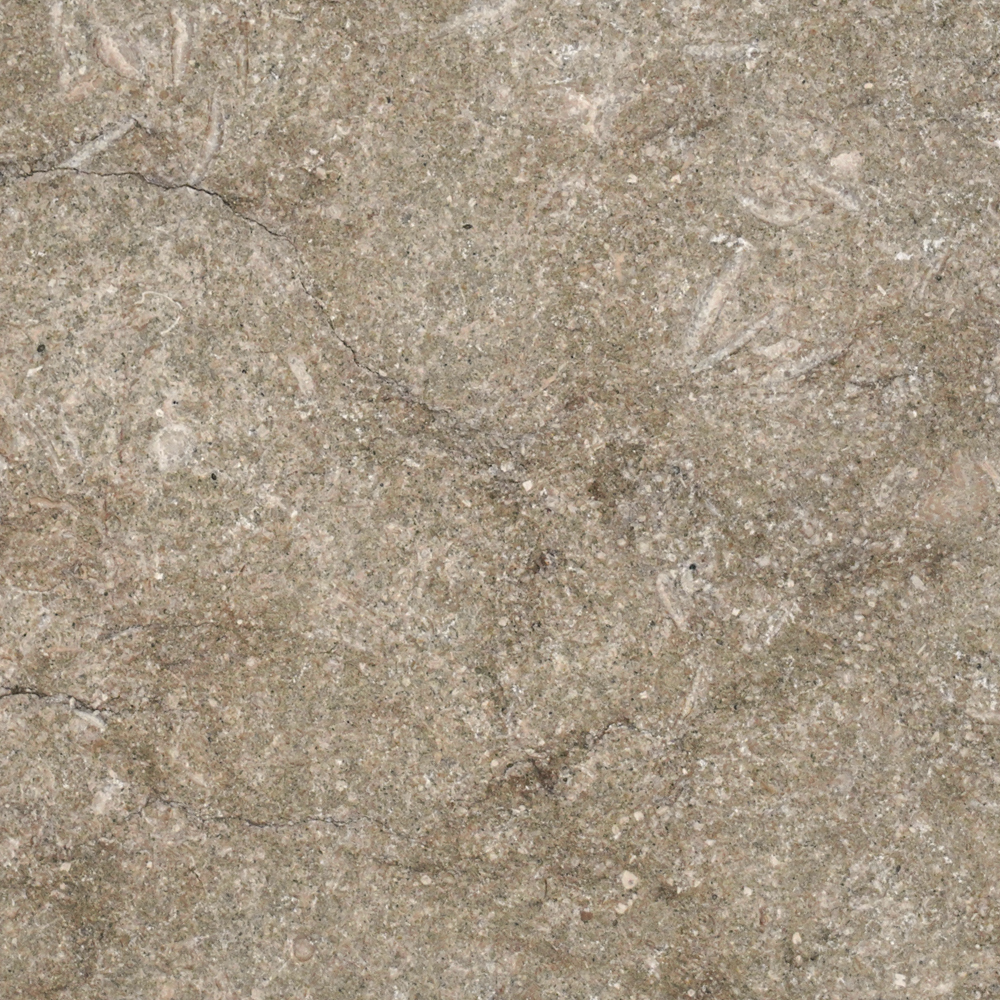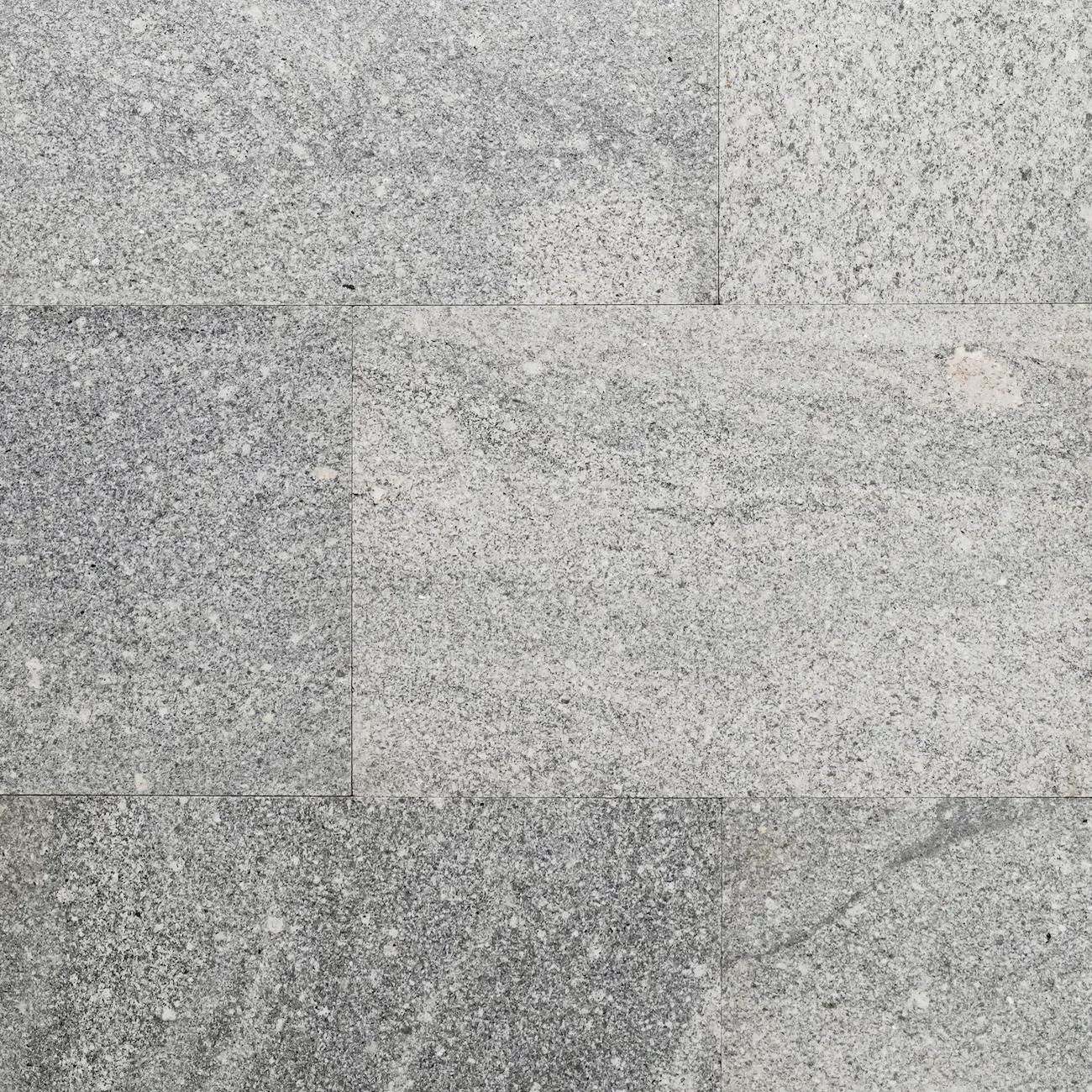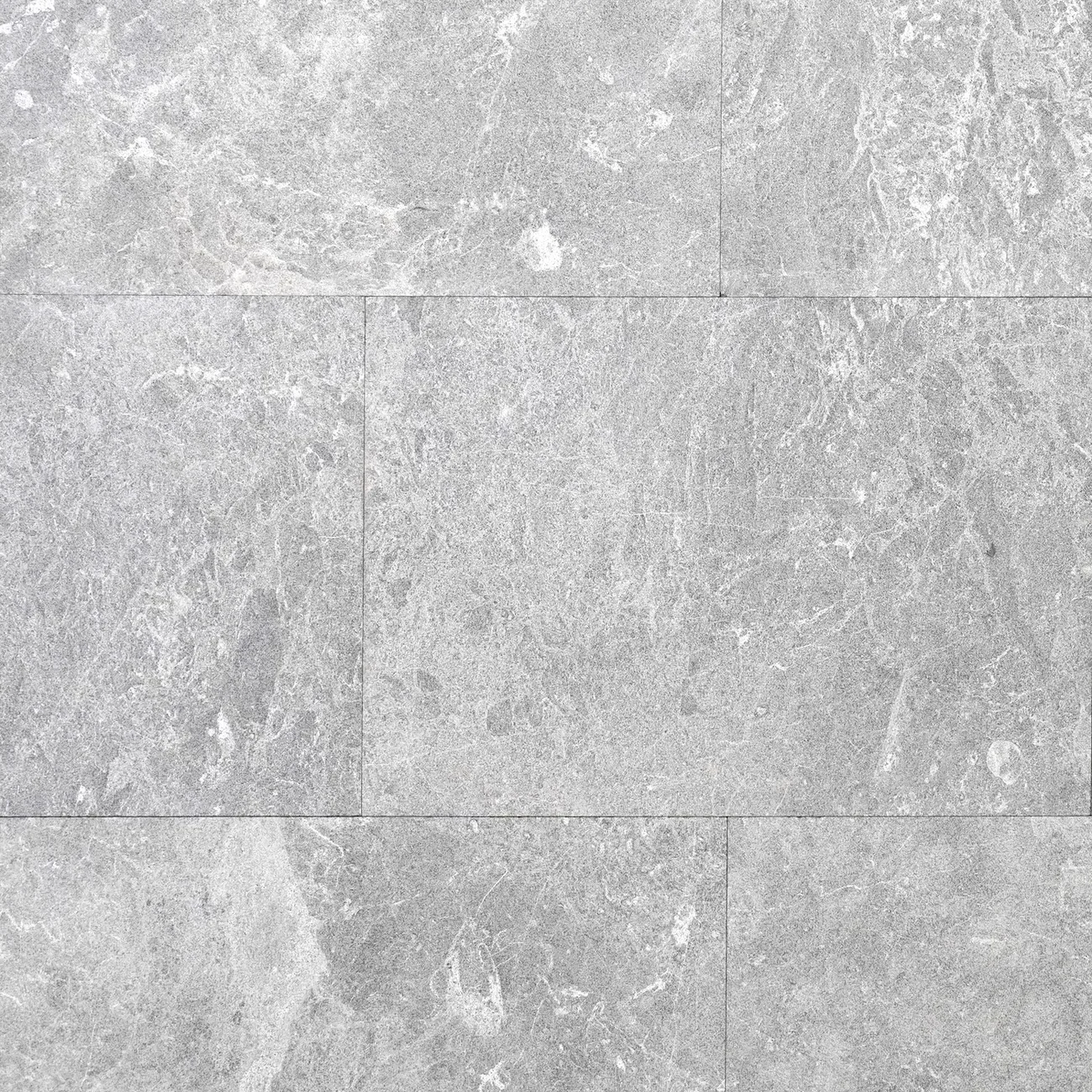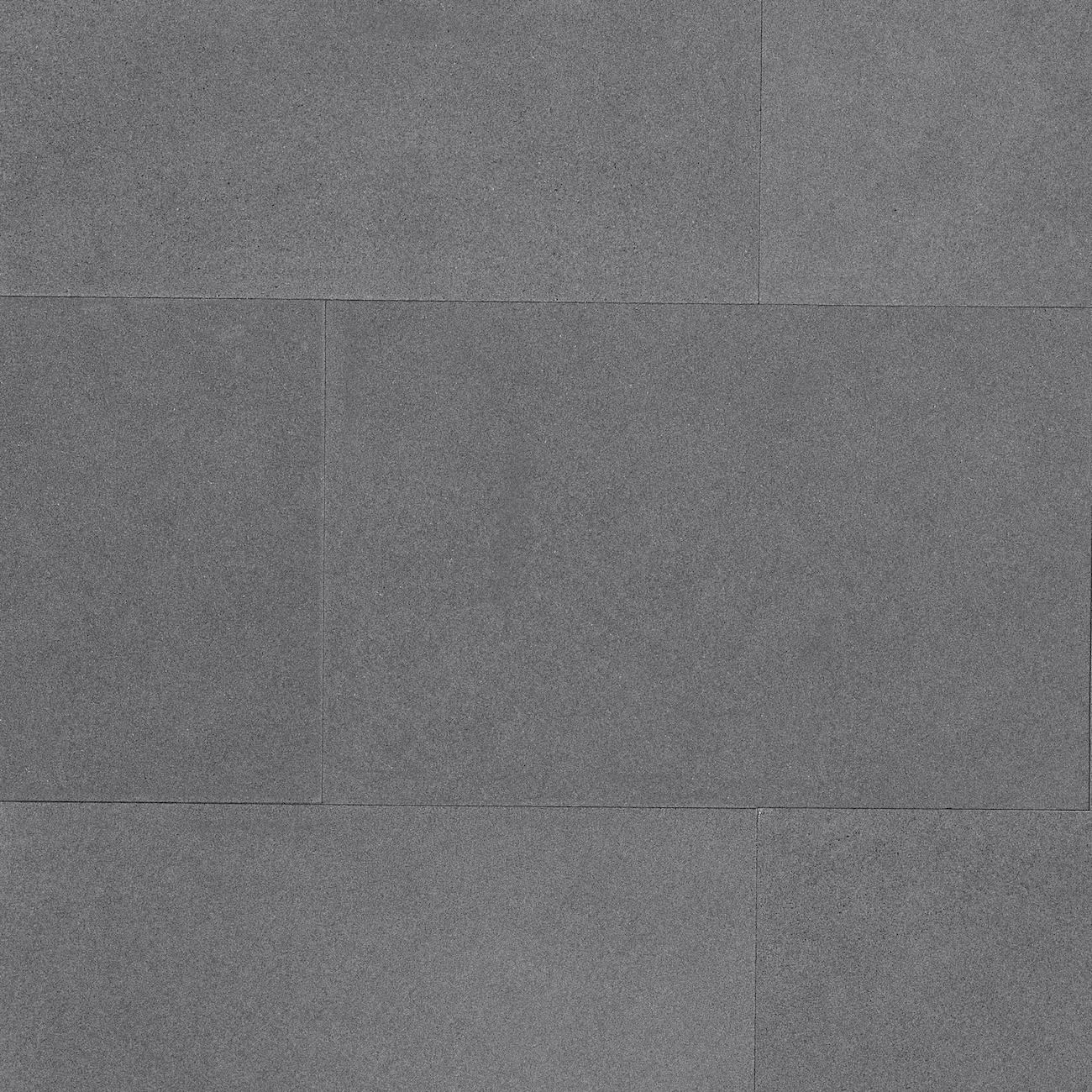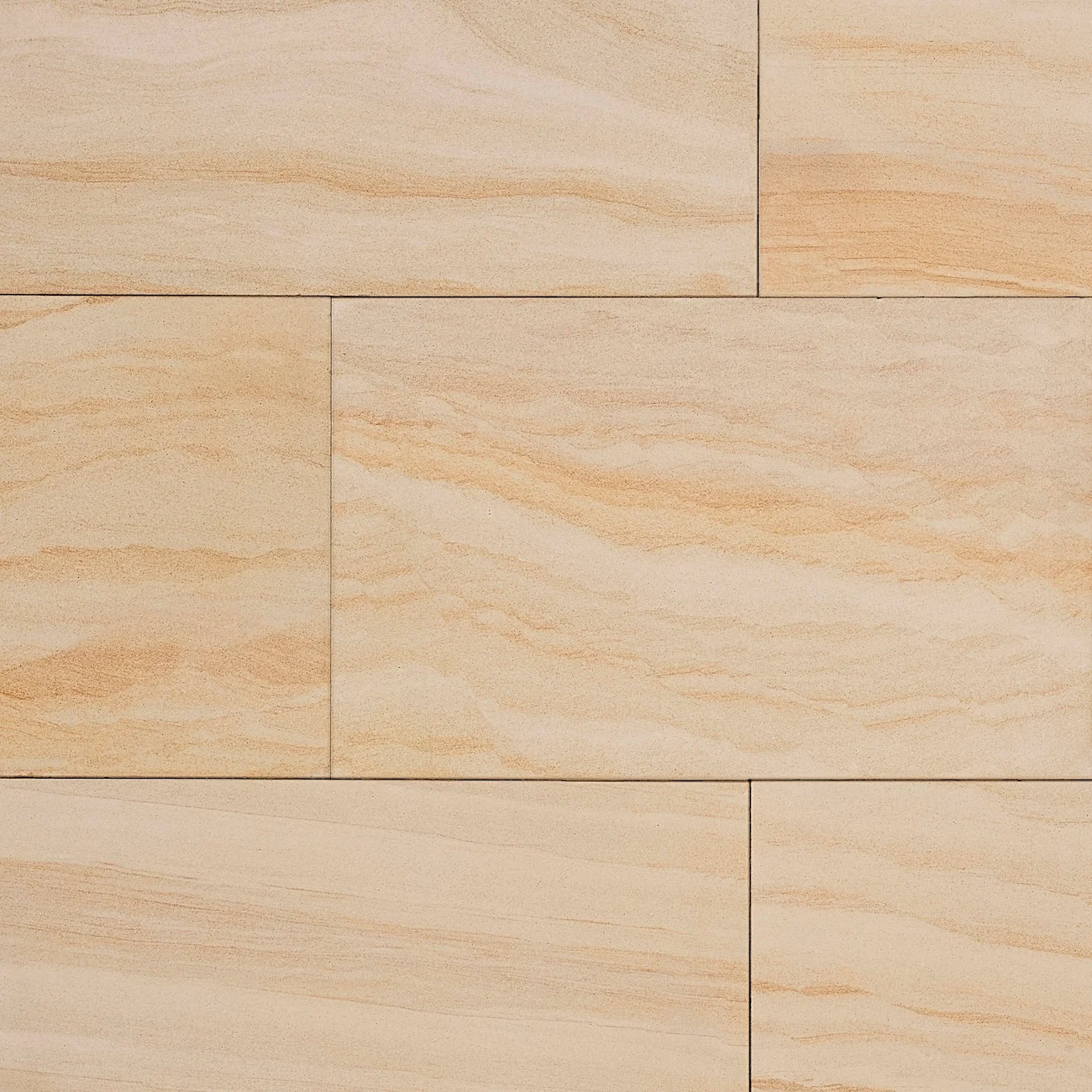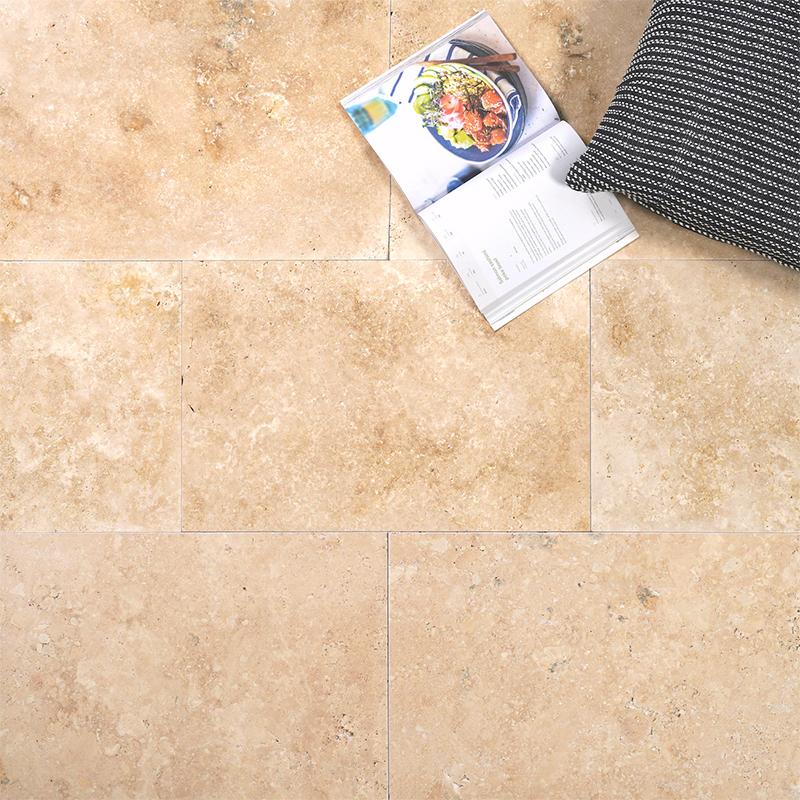


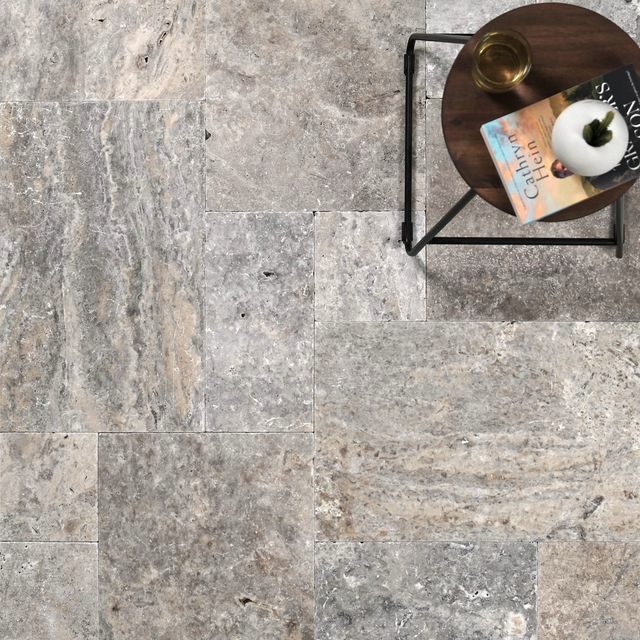





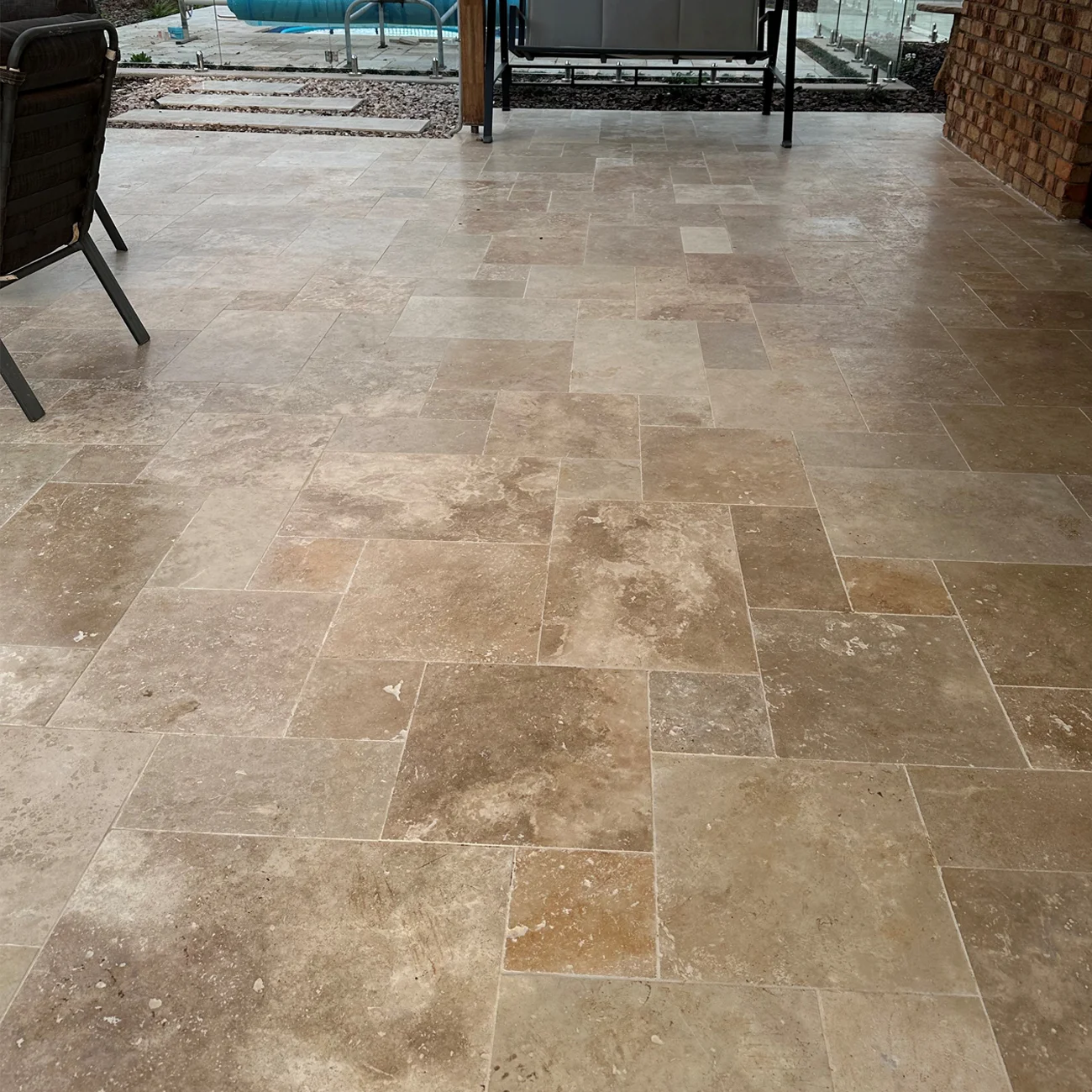


The set breaks down like this:
| Piece | Dimensions | Quantity in Set |
| Large rectangle | 600 × 400 mm | 1 piece |
| Square | 400 × 400 mm | 2 pieces |
| Small rectangle | 400 × 200 mm | 1 piece |
| Small square | 200 × 200 mm | 2 pieces |
Tiles or Pavers - Which French Pattern Travertine Do You Need?
The pattern is identical either way, what changes is thickness which decides where the stone can go.
| Feature | Tile | Paver |
| Thickness | 12 mm or 15 mm | 20 mm or 30 mm |
| Where It Goes | A French pattern travertine tile suits interior floors on a prepared concrete subfloor, or covered exterior areas on a solid substrate. | Ground-level exterior paving designed for regular foot traffic, including courtyards, alfresco areas, and garden surfaces. |
Stone Depot's Range of French Pattern Travertine
We cover two travertine varieties in this pattern, and both are available in tile and paver gauge, plus matching standard tiles, pavers and copings which means a single material choice can carry through an entire project rather than mixing stone types between the paving and the surrounding elements.
- Classic Premium has the pitted, warm-toned surface travertine is known for, with the variation between pieces that gives the format its visual depth.
- Silver sits at a different point on the tonal spectrum, with its own surface character distinct from Classic Premium.
Both are stocked and ready for delivery from our Sydney, Brisbane and Melbourne warehouses.
How to Seal and Maintain French Pattern Travertine?
French pattern travertine tiles and pavers should be sealed before installation and periodically there. While this applies to all travertine products and not just French pattern, regular sealing is essential to help protect the stone and maintain its appearance over time.
- Before laying: Dip-seal every face and edge. Mortar and grout will stain unsealed stone during installation, and pre-sealing avoids that entirely.
- After laying: Once the surface is clean, apply a penetrating sealer to all exposed faces and joints.
- Ongoing: Reseal every two to three years, sooner if the surface gets heavy traffic or sits exposed to weather.
- Cleaning: A pH-neutral stone cleaner in warm water with a soft brush handles routine maintenance. Skip anything acid-based such as vinegar, citrus, bathroom sprays along with bleach and ammonia, all of which etch the surface permanently.
- Joints: Check them periodically. Weeds and moss work into the jointing compound if left and loosened joints should be re-pointed before they get worse.