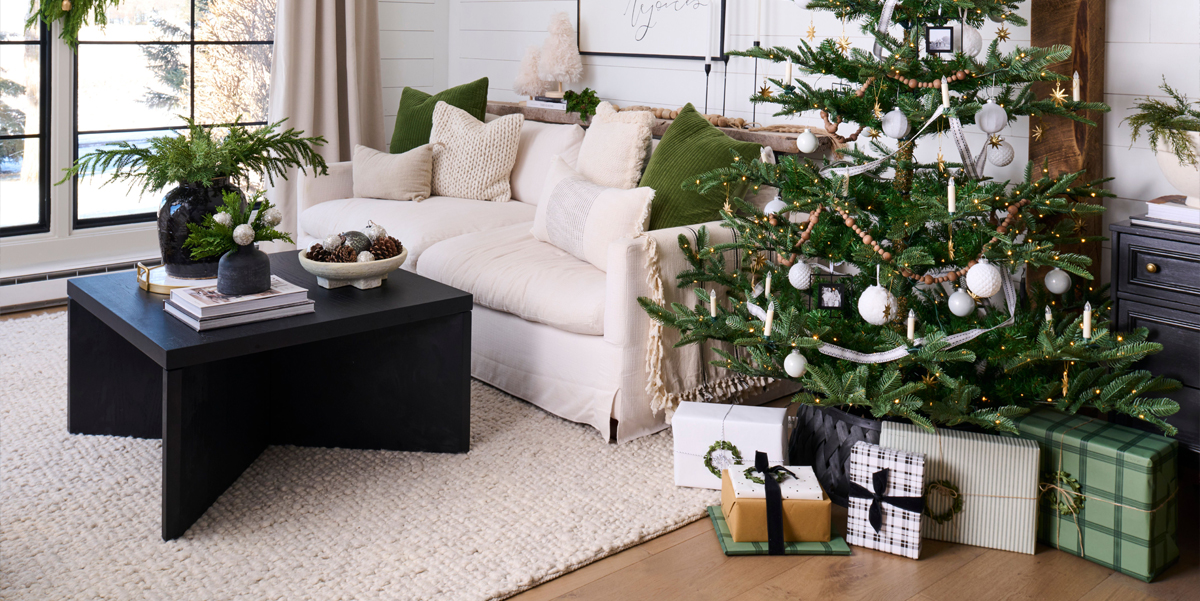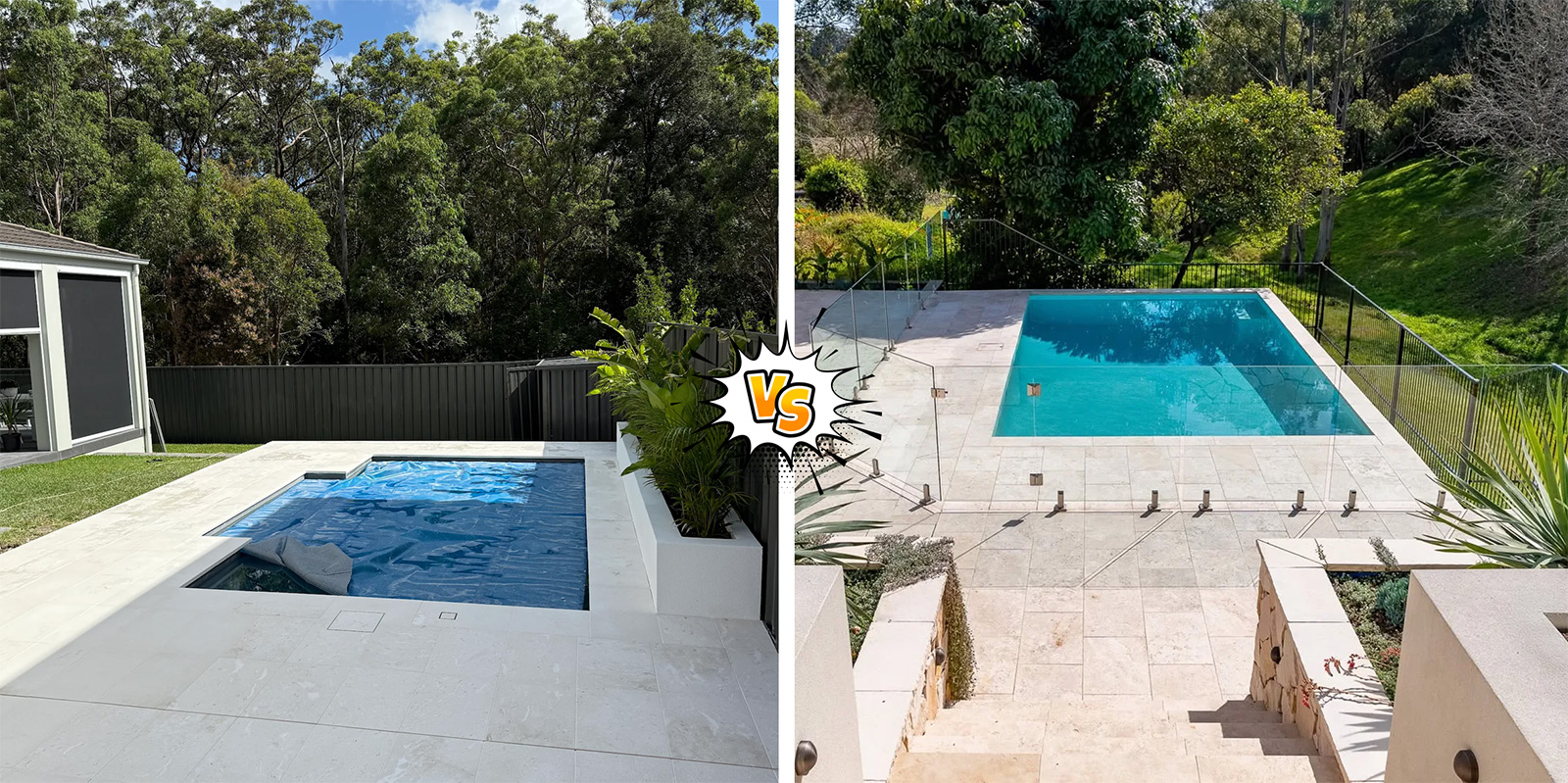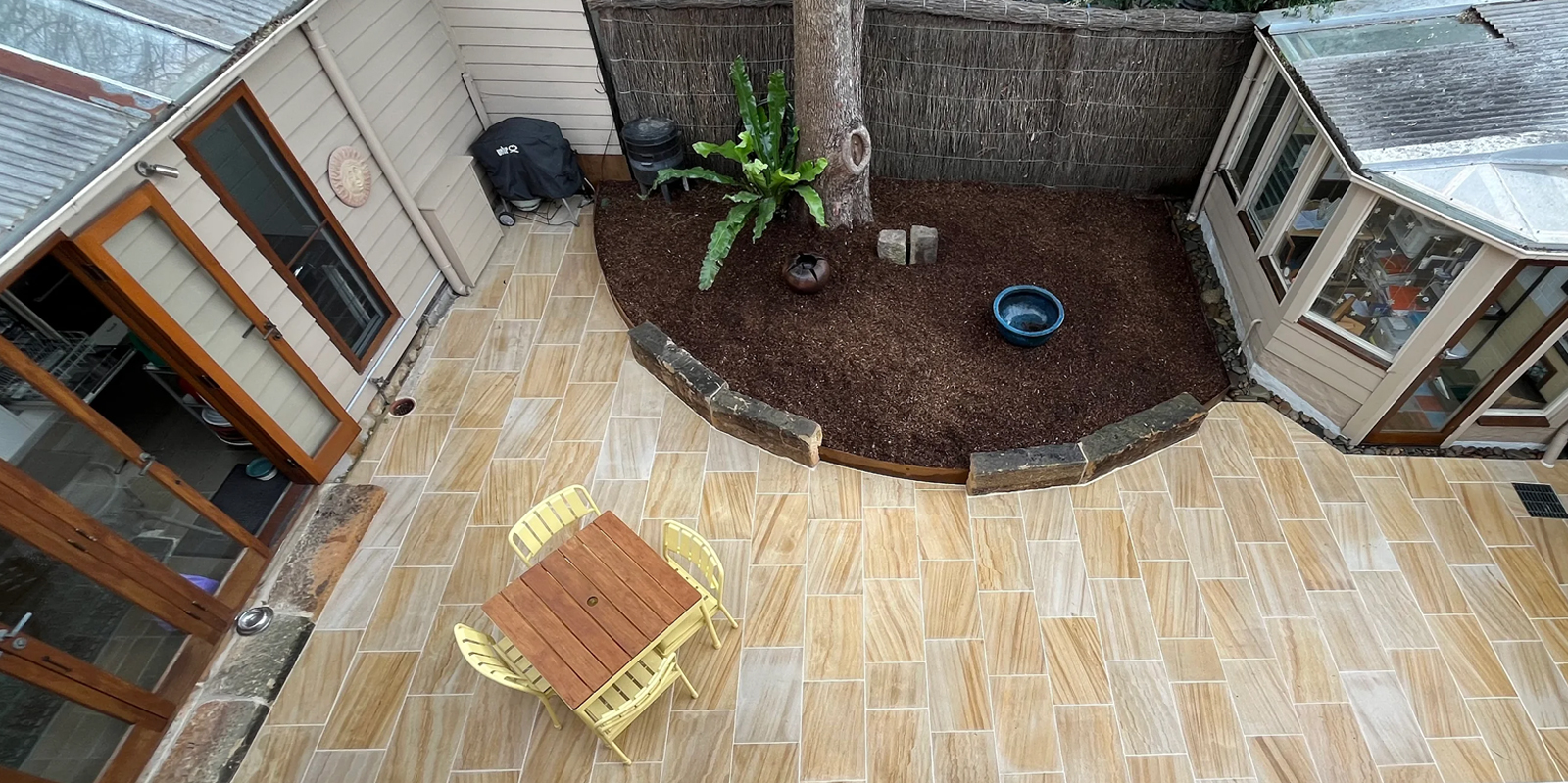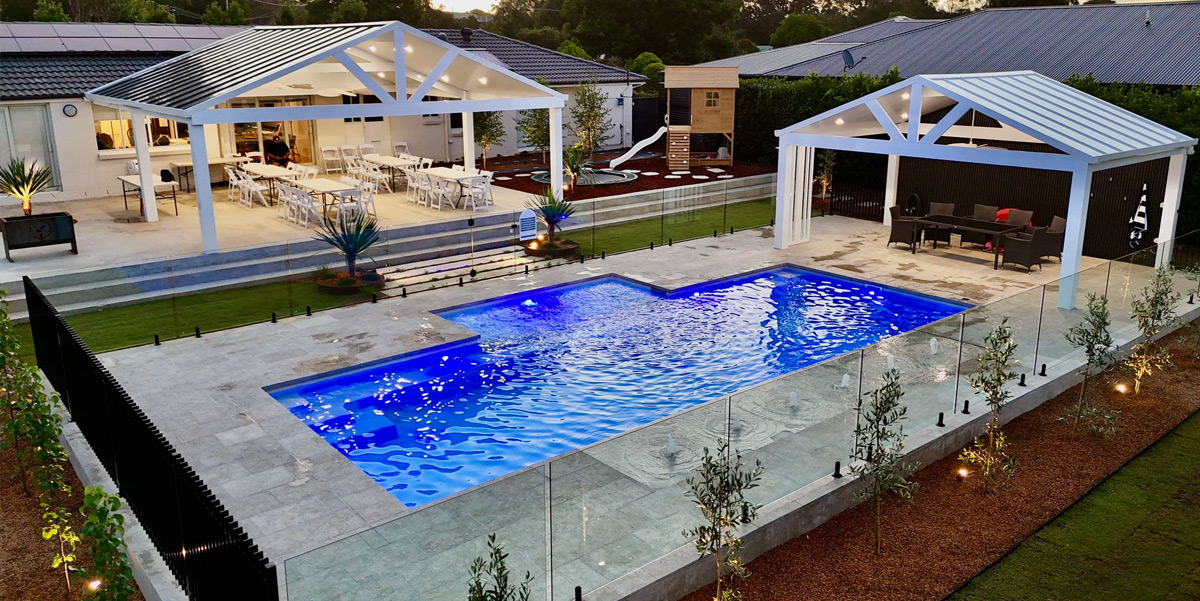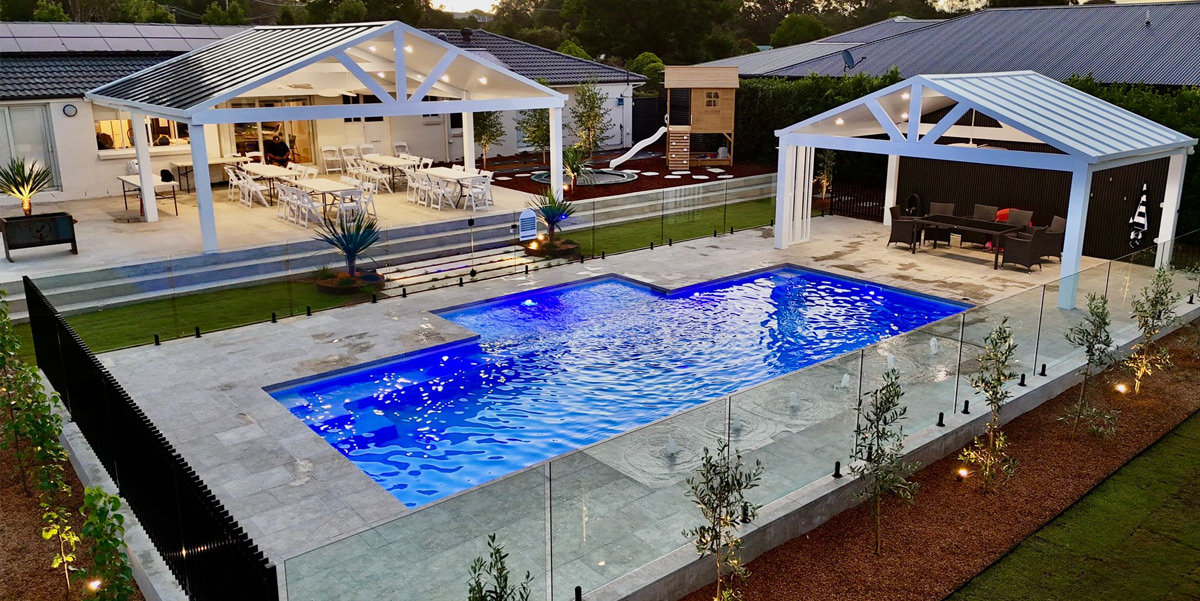
Some homes look beautiful and impressive. Others feel calm and good to be in.
You notice it almost straight away. The space does not ask much of your attention. But you feel relaxed the moment you enter. Nothing is trying to stand out, yet everything feels settled.
That sense of ease is subtle, but impactful. It is not about aesthetic styling or social media design trends. It is also not something you can fix with a last-minute white pillow or a peaceful artwork. It comes from how the space interacts with your body, often without you realising.
Light that does not glare. Sound that does not echo. A temperature that stays even. These are things your body responds to before your mind catches up.
So, what creates that feeling? Why do some spaces feel restful while others drain your energy?
It comes down to the materials we surround ourselves with and how they interact with our senses every day. Once you notice it, you start to see why material choices matter more than we think. Read on to understand why natural materials have such a powerful effect on how a space feels.
Why Do Some Spaces Feel Visually Loud and Chaotic
Let’s talk about visual noise!
Some design choices often rely heavily on –
- Glossy finishes
- Artificial flooring materials
- Perfectly uniform patterns
- Bright, reflective décor
Individually, none of these are bad. But together, they can overload your senses. Highly polished surfaces bounce light around aggressively. Repeated patterns give the eye nowhere to rest. Synthetic materials can feel boring and lifeless, even when the colour palette is neutral.
Your brain is constantly scanning its environment for safety and comfort. When a space is visually loud, your nervous system stays on alert. That is why some rooms look beautiful but never feel relaxing.
Natural materials do the opposite. They soften the visual experience without trying to impress.
Our Brain’s Relationship with Nature
The simple truth is that humans did not evolve surrounded by acrylic panels and porcelain tiles.
For thousands of years, our environments were made up of stone underfoot, wood overhead, earth around us and changing textures everywhere. Our brains still recognise these cues as familiar and safe.
Natural materials have –
- Irregular and raw patterns
- Subtle colour variation
- Varied textures
These qualities are easier for the brain to process. Instead of constantly analysing sharp contrasts and artificial repetition, the mind slows down. It is the same reason people feel calmer near the ocean, in the bush or walking on natural stone pathways rather than concrete floors.
This is also why the best natural stones tend to feel timeless. They do not try to dominate any space, but they simply belong there.
How Natural Materials Regulate Your Senses
You experience a space with your whole body, not just your eyes. Natural materials are not just visually calming. They work across all the senses.
Sight
Natural materials rarely look uniform or extremely structured. Natural stone, for example, comes in earthy shades with gentle variations that make each piece feel slightly different. Those small changes give your eyes a break. Instead of light bouncing sharply off a surface, it softens and spreads out. In bright Australian homes, this makes a great difference. The space feels calmer, more comfortable and simply easier to be in.
Touch and temperature
Natural materials usually feel comfortable against the body. Stones like Travertine, Limestone, Marble stay naturally cool underfoot. These small physical details make a difference. When surfaces feel familiar and pleasant to touch, the body relaxes. You feel at ease in the space, without having to think about why.
Smell
Many synthetic materials release strong or lingering odours, especially when new. Natural materials tend to be neutral. They do not compete with the natural smells of a home, whether that is fresh air, cooking or outdoor breezes.
All of these small sensory details add up to your peace. Natural materials help balance how a space looks, sounds and feels. That is why rooms with natural stone, wood and other organic options often feel calm by default.
Natural Materials in Contemporary Homes
There is a common myth that natural materials only suit heritage or traditional homes. In reality, they are often what make modern spaces feel liveable.
Overly structured architecture, minimal furniture and open plan layouts can feel cold if everything is too sleek. Adding natural stone flooring or a stone wall cladding makes the space feel cohesive.
In modern Australian homes, natural materials –
- Balance large expanses of glass
- Soften sharp architectural lines
- Connect indoor spaces with the landscape outside
This is why homeowners, architects and designers often turn to trusted natural stone suppliers like Stone Depot when sourcing materials that feel elegant without feeling overly done.
How to Use Natural Materials Without Overdoing It
Let one material lead
Pick one natural material to anchor the space and let everything else support it.
Mix textures, not too many materials
Balance smooth and textured feels instead of layering multiple stone types.
Keep colours simple
Natural materials already have variation, so a soothing colour palette keeps things calm.
Match materials to how the space is used
High-traffic areas need durability; other spaces can focus more on feel.
Embrace natural variation
Differences in shades and patterns are what make natural materials feel warm and real.
And yes, people often ask about upkeep. Learning how to maintain natural stones and other materials is part of using them well. Simple things like cleaning regularly with gentle products, avoiding harsh chemicals and sealing when required go a long way.
Conclusion
Feeling rested in a space is not just about lighting, furniture or colour schemes. How your senses interact with the materials around you also matters. Natural materials work because they align with how humans have always experienced the world. They reduce visual noise, regulate comfort and create spaces that feel calm without trying too hard.
In a world that is already loud, fast and over-stimulating, your home should do the opposite. Thoughtfully chosen materials help make that possible.
And when you work with a knowledgeable natural stone supplier who understands both aesthetics and practicality, you are not just choosing materials. You are shaping how a space feels, day after day, season after season.
*Disclaimer: All information and advice given above in the blog are to the best of our knowledge. Please reconfirm at your end before execution.