When you're planning to redesign your home, the goal is always perfection with class. However, the most challenging crossroads usually come down to one big decision: Natural vs. Artificial Stone. It’s a pivotal choice that defines your home’s character and longevity.
Walking into a showroom can be a total head-spin. You’re surrounded by endless slabs that all look exactly the same under those bright lights. You find yourself wondering why one is expensive, while another seems to be the builder’s preferred choice. It feels like total chaos while you want something pretty and durable for a very long time.
This blog simplifies that decision-making complexity. Here you will explore a practical, side-by-side comparison to help you find the perfect option.
What Is Natural Stone?
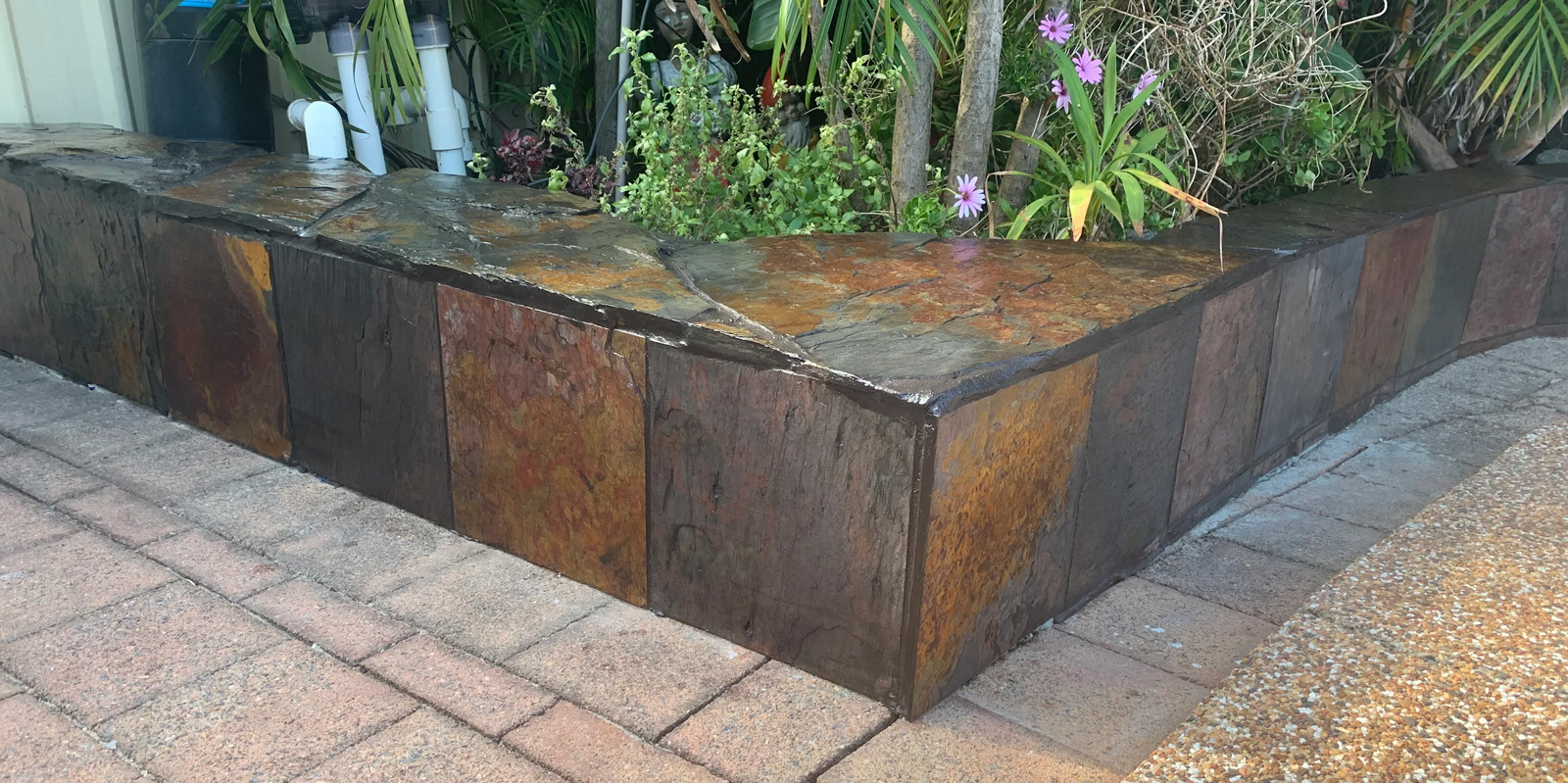
Natural stone is a product of the earth created over millions of years. It is literally extracted from the ground in large blocks from quarries located all over the world. Common types you can recognise include granite, travertine, marble and limestone. Because these materials are formed by heat and pressure deep underground, every piece carries a unique history.
What Makes It Unique
- No two slabs are ever the same in colour or pattern
- Natural variations create more depth and character
- Stones develop a beautiful, aged patina over the years
- Perfect choice for an organic, lived-in aesthetic
What Is Engineered Stone?
Engineered stone is a man-made material. It is made by mixing crushed stone with special glue and colour. Workers press this mix into flat, solid slabs using very high pressure. Most of the slab is still a natural stone. However, making it this way ensures that the colours and patterns always look the same.
What Makes It Unique
- Dense and non-porous, with no natural pits or cracks
- Designed for total consistency in colour and pattern
- Much lower variability than natural stone
- The final slab will be an exact match to your showroom sample
Pros and Limitations
Choosing natural or engineered stone depends largely on your lifestyle. It’s all about what matters the most to you in a surface. Here is how these materials compare:
Natural Stone
Pros
- Unique: These slabs come straight from the earth, you’re getting a one-off masterpiece. The possibility of having a look-a-like kitchen can be rare.
- Handles the Heat: These stones were forged under extreme pressure and heat, so they won't flinch if you set a hot pan down for a second.
- Durable: If you treat them right, these surfaces can easily outlive the house itself, often adding a nice bump to your property value.
Limitations
- Proper maintenance: Natural stone is porous, so it can get stains. You’ll need to reseal it every 3 to 4 years to keep spills from soaking in or bacteria from moving in.
- High porosity: Certain stones need a little extra care. Scratching and etching can slightly reduce their shine. Acidic substances like lemon juice or vinegar can speed up this process.
Engineered Stone
Pros
- Tough: These surfaces are incredibly tough and built to handle everyday wear and tear without a problem. Because they don’t absorb liquids, you won't have to worry about deep stains or the hassle of constant sealing.
- Consistency: Since these are manufactured, the slab that shows up at your house will look exactly like the sample you picked out in the showroom. You won’t get unexpected patterns or colours.
- Super Clean: Bacteria and moisture have nowhere to hide on these surfaces. They’re simple to keep clean and work well for everyday use.
Limitations
- Watch the Heat: Most engineered stones use a resin binder to hold everything together. If you put a scorching hot pan directly on the surface, that resin can actually melt or discolour permanently.
- Very Uniform: Some people like the uniform look. It feels clean and consistent. However, sometimes it feels like a boring part of the house.
Natural vs Engineered Stone - A Quick Comparison
This table highlights a simple comparison of these materials.
| Feature |
Natural Stone |
Engineered Stone |
| Origin | Quarried from the Earth | Factory Manufactured |
| Durability | Very High but Needs Care | High and Robust |
| Slip Resistance | Naturally High Slip Resistance | High after Grinding |
| Cost | Usually Higher | Moderate to High |
| Best Use Cases | Outdoor and Feature Walls | Kitchens and Bathrooms |
Key Differences That Impact Your Decision
1. Look & Visual Character
Choosing a material usually comes down to your own style. Natural stone has its own personality, with "veins" that flow in ways you can't predict. It feels alive and full of character. Engineered stones are much more uniform. If you are designing a perfectly matched and predictable space, the engineered route is likely the better path. The choice depends on whether you prefer individuality or consistency.
2. Durability & Maintenance
Life might be messy sometimes but your surfaces don't have to be. While engineered stone is tough, natural stone offers a unique, high-end durability that’s hard to beat. Some stones like Granite are incredibly tough, while others just need a quick seal to stay stain-resistant. With just a little simple care, a natural stone slab stays beautiful for a lifetime.
3. Heat & Environmental Resistance
This is an area where natural stone often wins. If you do a lot of cooking and tend to move pots straight from the stove to the bench, natural stone handles heat much better. Engineered stone can suffer from thermal shock or discolouration if exposed to high heat regularly without a trivet or board.
4. Cost vs Long-Term Value
Initial costs for natural stone are often higher due to the labour involved in quarrying and transport. However, natural stone is seen as a premium material that can add significant value to a property over many years. Engineered stone is a smart investment for those who want a high-end look without the ongoing costs of professional sealing.
5. Consistency vs Uniqueness
This is an emotional and design-driven decision angle that is often overlooked but highly important. With engineered stone, the join between two slabs is often less noticeable because the pattern is so regular. With natural stone, the joints are part of the character. As a result, the patterns may not line up perfectly. It is a choice between a sleek and seamless look or a bold and natural statement.
Maintenance & Cleaning Requirements
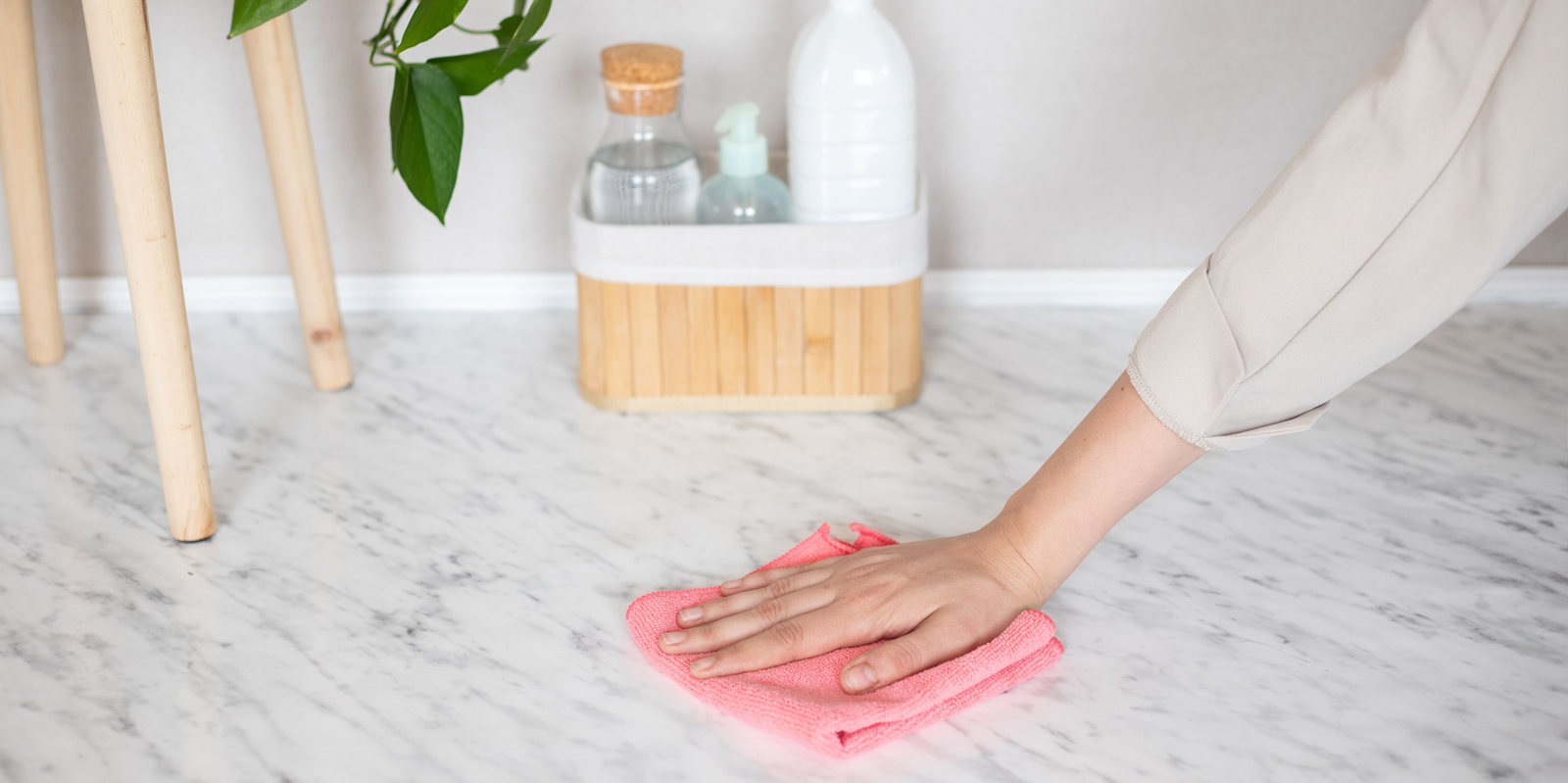
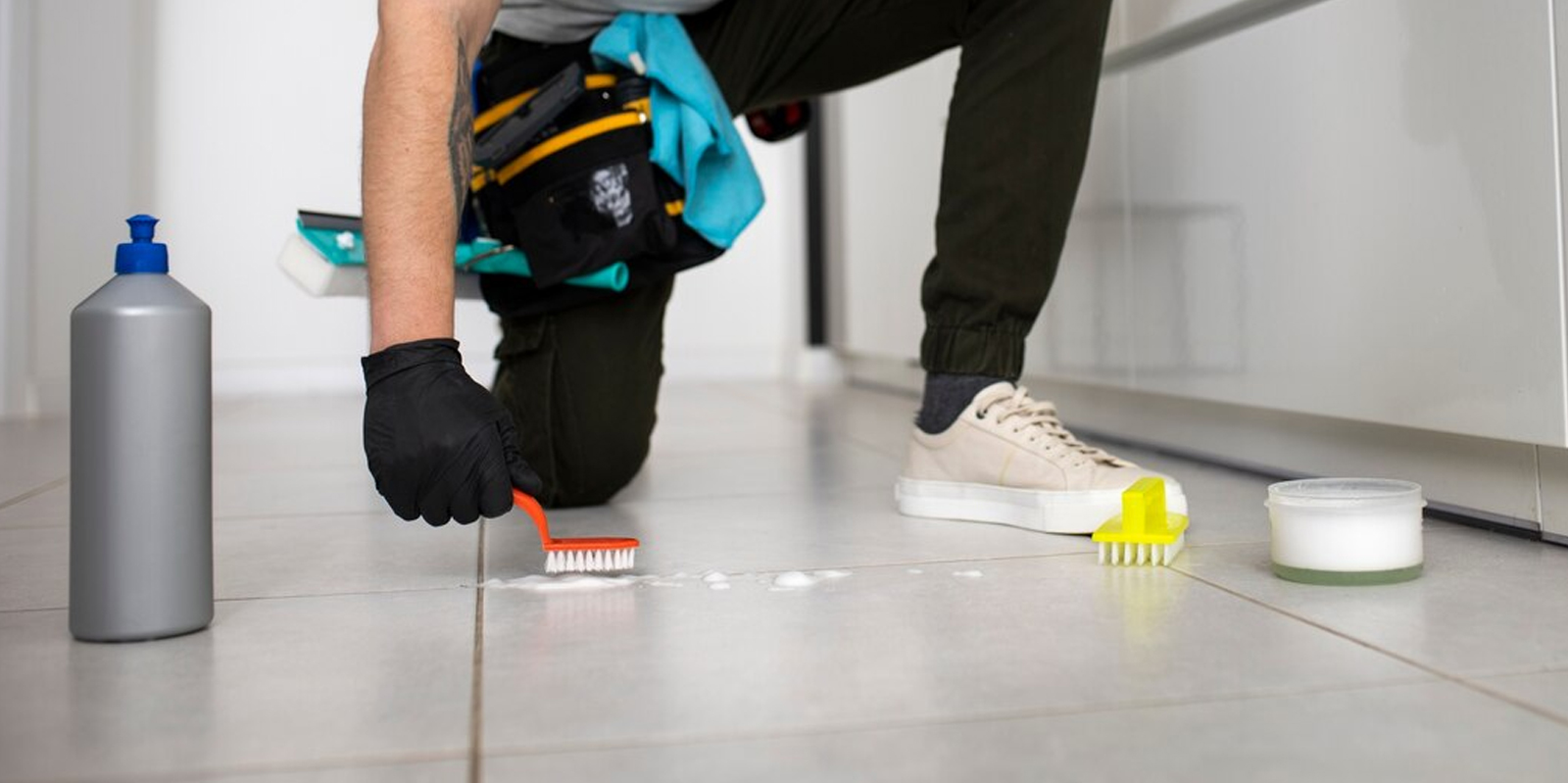
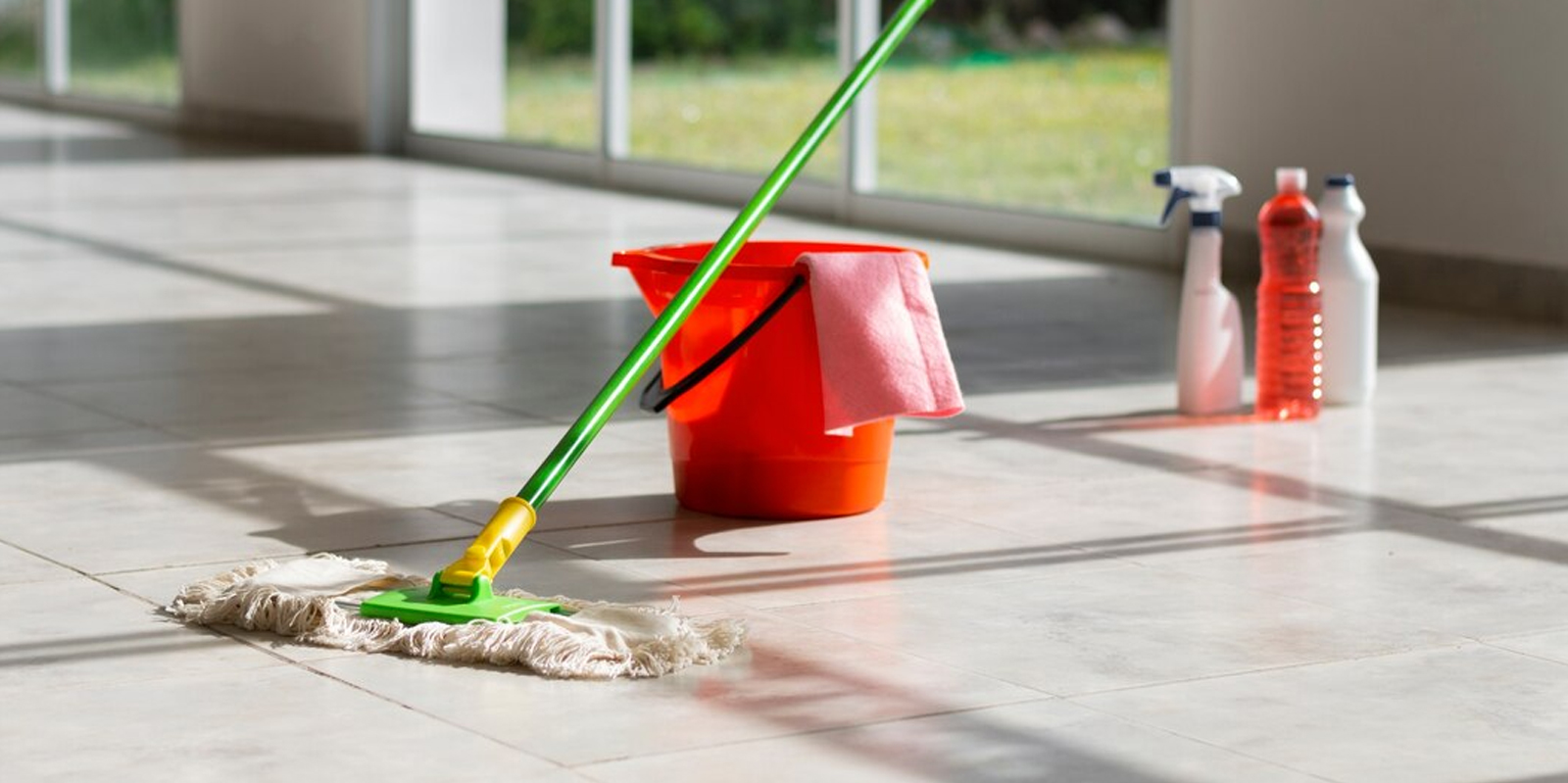
For engineered surfaces, a simple wipe with a damp cloth and mild soap is usually all you need. Natural stones require a bit more thought. You should avoid acidic cleaners like vinegar or lemon juice as they can dull the surface. Using a dedicated stone cleaner and ensuring the surface is sealed once a year will keep it looking fresh for a very long time.
Fa`ctors to Consider Before You Make a Choice
Before you make a final call, think about what type of vibe you want. Your lifestyle often matters more than the material itself.
Ask Yourself
- How much time do you want to spend on maintenance?
- Do you have a set budget for the stone work?
- Do you prefer a modern look or a classic feel?
- Will the surface be used heavily every single day?
This often matters more than the material itself. If you are someone who worries about every little mark, the predictability of engineered stone will give you peace of mind. If you love the idea of a one-of-a-kind piece of art, natural stone is worth the effort.
Natural vs Engineered Stone: What to Choose?
If you prioritise low maintenance and a consistent look, engineered stone is the way to go. It handles the chaos of a busy family home with very little fuss.
However, if you prioritise natural aesthetics and want a surface that feels unique and timeless, natural stone is the better investment. Keep the decision balanced based on your own needs rather than just current trends.
Binding Up
There is no "one-size-fits-all" conclusion when it comes to picking a stone's surface. Both options offer incredible beauty and strength. Think about how much work you really want to do to keep your benches clean. You should also decide which style makes you feel most at home. Being honest about these two things will help you to make a smart decision. The right choice depends on how you use the space, not just how it looks in a photo.
*Disclaimer: All information and advice given above in the blog are to the best of our knowledge. Please reconfirm at your end before execution.