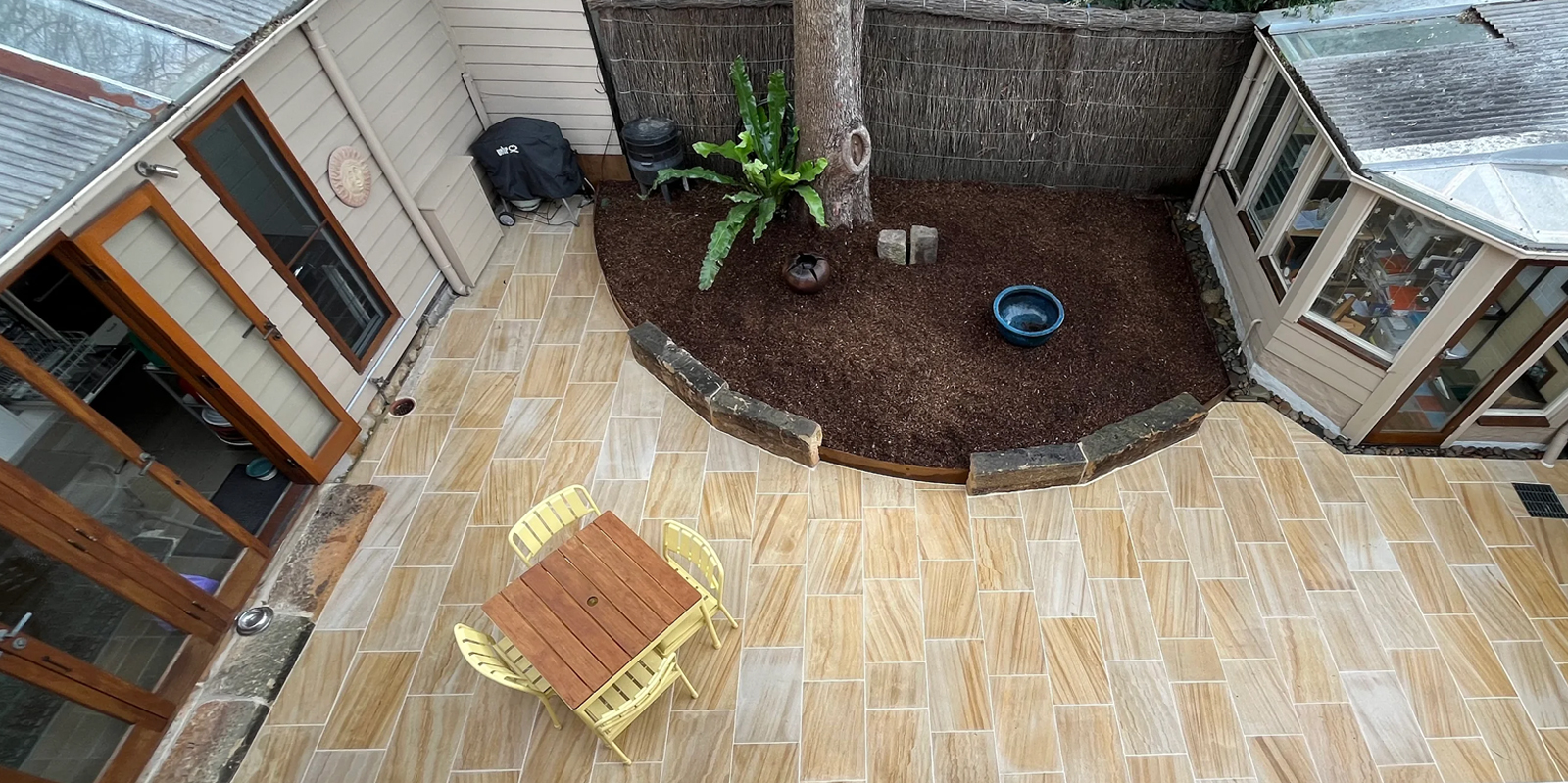
Are you planning to install Granite or already have it in your outdoor areas? It’s a material that many people choose for a specific reason. Granite is strong, dependable and has a natural look that stays attractive for years. It also comes up with natural slip resistance. This makes it a practical choice for outdoor spaces.
However, it does require proper care and maintenance to keep its beauty intact. With regular and simple cleaning, you can prevent stains and protect it from the weather changes and heavy foot traffic.
In this guide, you’ll get to learn the basic tools and easy steps to keep your Granite well-maintained for years to come.
Why Granite Outdoor Pavers Require Proper Cleaning
Granite is a dense natural stone that works strongly against heavy traffic and outdoor weather. Many homeowners choose it because it's tough and offers a timeless appearance. However, outside areas are exposed to dust, leaves and moisture. Grease from grills, drinks, or organic debris can leave noticeable spots if ignored.
Without proper granite pavers clean care, grime settles into narrow spaces and moisture encourages moss in darker areas. This can fade the clean look and make walking surfaces unsafe.
Regular cleaning helps prevent:
- Surface staining
- Organic growth, such as moss
- Discolouration from outdoor dirt and debris every day.
With simple practice, homeowners and builders can preserve the beauty and functionality of Granite outdoor pavers.
How to Clean Granite Pavers
Keeping Granite clean is simple when you are doing correctly. However, wrong practices may cause avoidable surface damage. The following method is suitable for Granite pavers.
1. Preparation Before Cleaning
Precise preparation boosts optimal results and minimises the risk of surface scratching.
Steps to follow before you start cleaning:
- Clear the area: Move your outdoor furniture, plants, and any decor out of the way.
- Give it a good sweep: Use a broom to get rid of all the loose dirt and dust.
- Clear the gaps: Dig out any debris or weeds stuck between the pavers.
- Do a quick check: Look for stubborn stains, mould, or extra dirty spots that might need a bit more scrubbing.
Proper preparation allows the cleaning solution to act effectively and prevents loose grit from scratching the stone.
2. Routine Cleaning Method
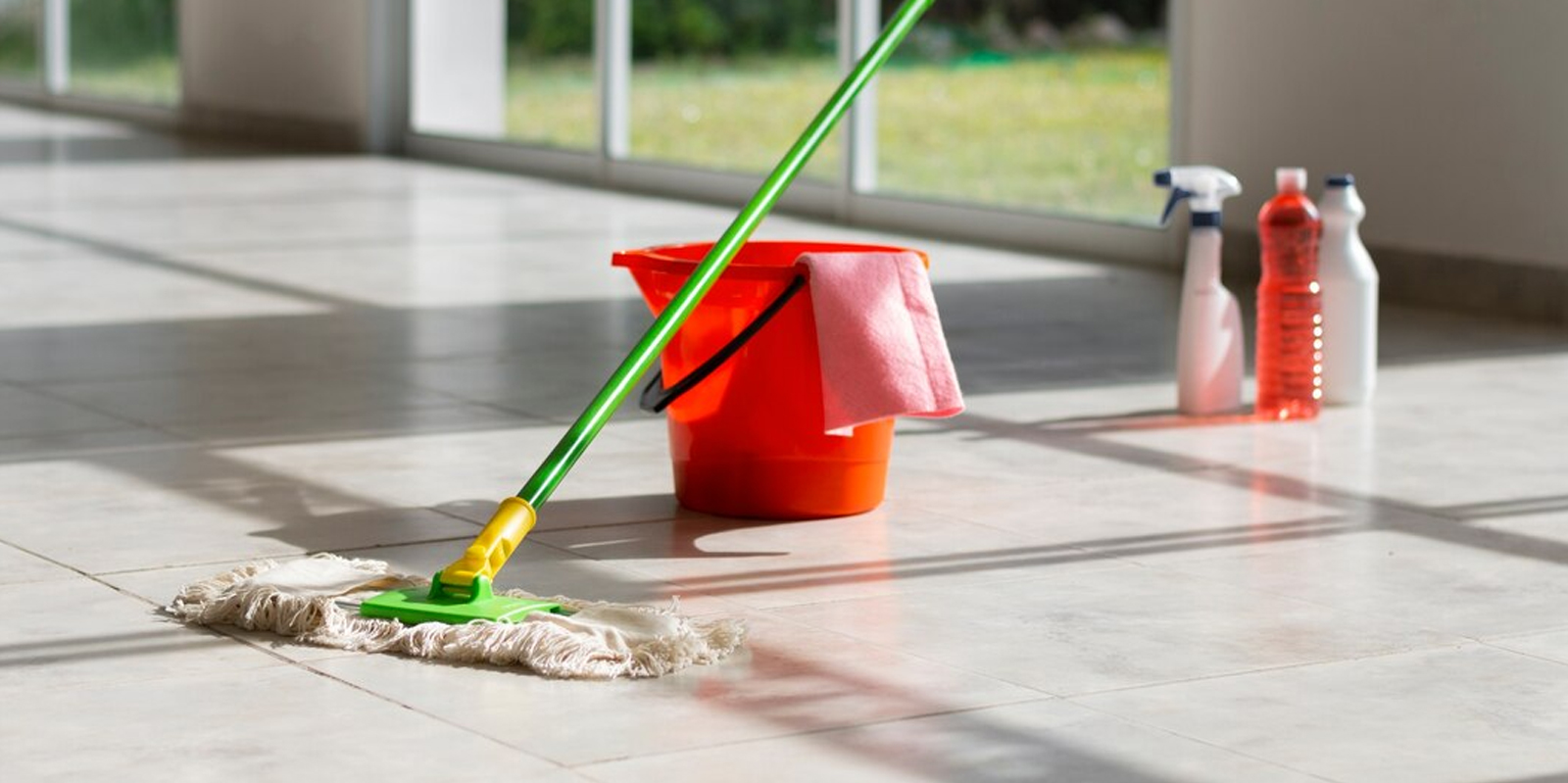
To maintain the cleaning of Granite Pavers and Tiles:
- Combine a pH-neutral stone cleaner with warm water.
- Wipe the solution with a soft cloth.
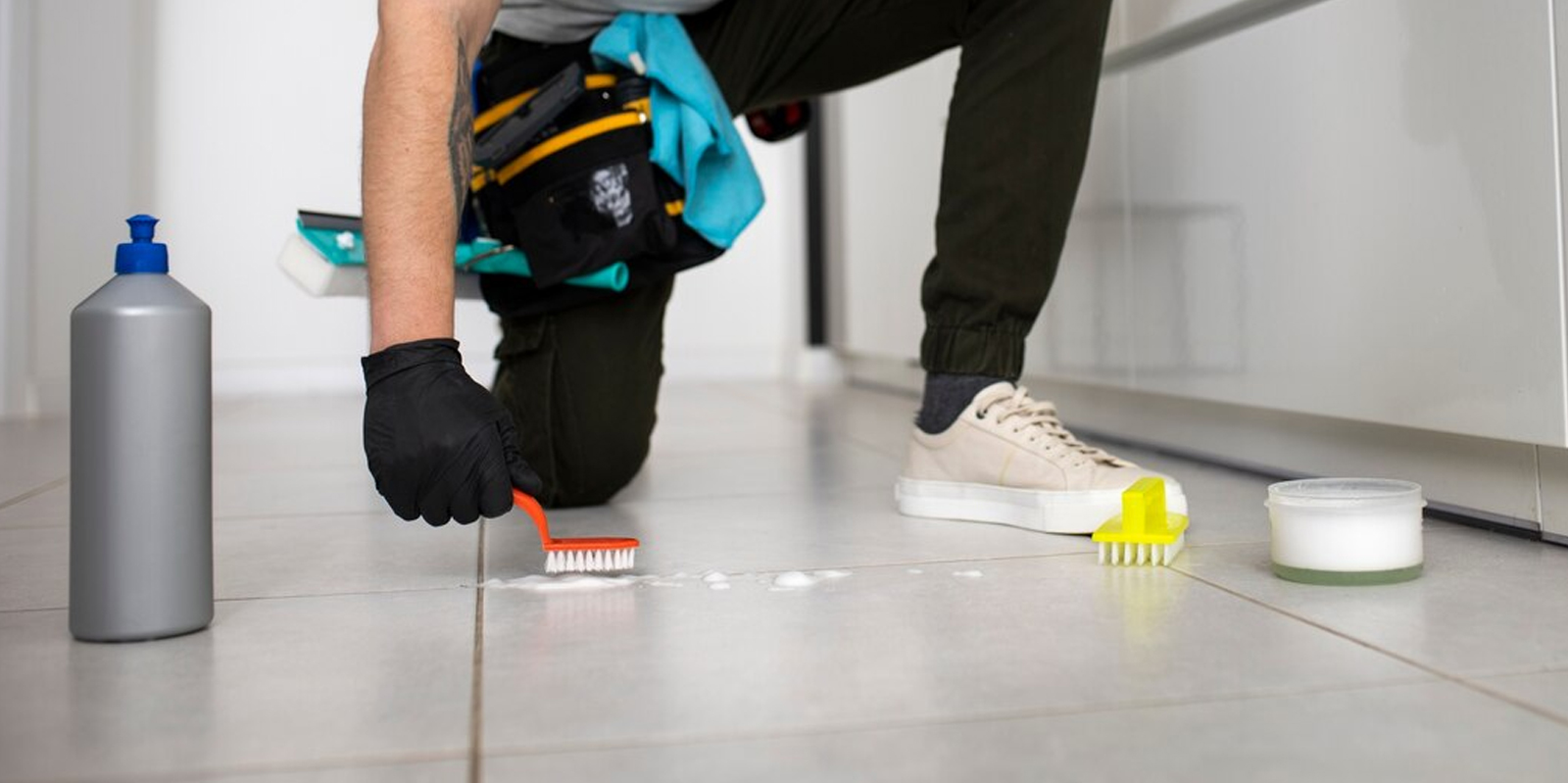
- Wash in circular movements, being careful of those parts that are dirty or need extra care.
- Let it dry in natural air.
One should not overflood with water. Even though Granite is dense, standing water over time can affect the jointing materials
Cleaning every few weeks is usually advised in moderate to low traffic situations and more often in high-use situations like driveways or pool surrounds.
3. Deep Cleaning for Stubborn Stains
There are some moments when it’s necessary to clean deeper, especially when:
- Oil spots form on the driveways.
- Dirt gets stuck in textured surfaces.
In such cases:
- Spray clean water on the surface.
- Use a stone-specific cleaner.
- Let the solution sit for a short time.
- Wipe with a soft mop cloth.
- Wash the area well and then let it dry naturally.
This prevents scratches on the surface and holds jointing materials in position.
Recommended Products and Tools for Granite Pavers & Tiles Clean
Using the right tools and safe cleaners is important to protect the look and strength of Granite Outdoor Pavers.
Recommended:
- pH-neutral stone cleaners
- Soft brushes with gentle bristles
- Microfiber mops or soft cloths
- Protective stone sealer
Avoid:
- Acid-based cleaners like vinegar or acid liquids
- Bleach or cleaners with ammonia
- Rough scrubbing pads
- Strong pressure washing
Strong chemicals can fade the stone’s colour, and rough tools can leave scratches on the surface.
Sealing Granite Outdoor Pavers for Long-Term Protection
Although Granite is naturally dense, sealing is strongly recommended for outdoor installations. A good quality stone sealer act as a protection layer on the surface that reduces water soaking and helps prevent stains.
Benefits of Sealing Include:
- Easier cleaning and lower maintenance
- Improves colour depth and richness
- Reduce the risk of staining
- Improved longevity
To understand whether resealing is necessary, conduct a simple water absorption test. Pour a small amount of water onto the surface. If it absorbs quickly rather than forming droplets, resealing may be required.
In most outdoor areas, re-sealing every one to two years is a good idea, based on the exposure to sun, rain and foot traffic the surface receives.
You can hire professional sealing services, yet many top-quality sealers are safe for home use if you follow the directions correctly.
Recommended Cleaning Frequency
Cleaning requirements vary based on usage and environmental conditions:
Weekly: Sweep to remove loose debris
Monthly: Light wash using a pH-neutral cleaner
Seasonal: Deep clean to eliminate buildup
Every 2–3 years: Reseal for optimal protection
Pool surrounds and shaded areas may require more frequent attention due to consistent moisture exposure.
Benefits of Clean and Maintenance
Consistent Granite Pavers & Tiles Clean practices provide several long-term advantages:
- Preservation of natural beauty and colour
- Extended lifespan of the installation
- Prevent costly repairs or premature replacement
- Enhancement of overall property value
- Maintenance of slip resistance by reducing moss and algae growth
Granite shows a long-term investment in quality and elegance. With proper care, it continues to perform pretty well, even under any outdoor conditions.
Wrapping Up
If you want an outdoor space that’s both stylish and durable, you really can’t beat Granite. It’s naturally long-lasting, but it does help to give it a little love every now and then. You don’t need anything fancy; just some Ph-neutral and a soft-bristled brush will do the trick without scratching the surface. Think of it as a small investment in your home’s look. It’s definitely better to do a light clean today than to deal with a big, expensive repair process.
FAQs:-
- How to Clean Granite Floor Tiles?
- Sweep the floor first to remove dust.
- Mix Ph-neutral cleaner with warm water.
- Mop using a soft microfiber mop.
- Rinse with clean water and dry with a soft towel.
- What Are the Best Material to Clean Granite?
- Microfiber cloths
- Soft sponges
- Stone-safe cleaners
- Can You Use Vinegar to Clean Granite?
- Weaken the protective seal
- Damage the stone surface
Granite floor tiles should be cleaned gently. It helps to maintain their shine and durability. Always remove loose dirt first to avoid scratches.
Investing in a pH-neutral cleaner made for natural stone can be a smart move for you. You just have to mix it in warm water for everyday use.
Recommended:
Avoid acidic products like vinegar or lemon-based cleaners.
No, you need to avoid using vinegar or any acidic cleaner on Granite. Because it is acidic, it can damage the sealant and dull the surface over time.
Vinegar may:
Stick to pH-neutral cleaners to keep Granite looking its best.
*Disclaimer: All information and advice given above in the blog are to the best of our knowledge. Please reconfirm at your end before execution.